
Direct answer for buyers
Before approving bulk production, buyers should use the sample stage to confirm tile material, size tolerance, engraving depth, color consistency, case construction, accessory fit, and written production specifications.
A sample fee is small compared with the cost of receiving hundreds of sets that feel wrong in the hand or fail quality checks after arrival.
Key takeaways
- Before approving bulk production, buyers should use the sample stage to confirm tile material, size tolerance, engraving depth, color consistency, case construction, accessory fit, and written production specifications.
- A sample fee is small compared with the cost of receiving hundreds of sets that feel wrong in the hand or fail quality checks after arrival.
- That is why a proper sample order matters so much.
On this page
- Why Sampling Is the Highest-ROI Step in Wholesale Buying
- What to Define Before You Request Samples
- What a Complete Sample Kit Should Include
- The Physical Evaluation Protocol
- Documentation That Protects the Bulk Order
- Three Questions About Sample Ordering
- Sources & References
- Buyer checklist
- Production notes
- Related buyer guides
Why Sampling Is the Highest-ROI Step in Wholesale Buying
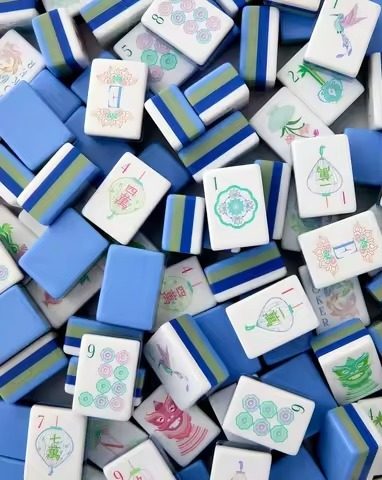
American Mahjong is a tactile product category. Buyers are not only selling a tile count. They are selling weight, finish, sound, readability, polish quality, and the way a set feels when it is unboxed for the first time. Those details are difficult to judge from product photos alone.
That is why a proper sample order matters so much. It turns assumptions into measurable checkpoints before the main production run begins. If a sample exposes the wrong material choice, uneven engraving, unstable packaging, or weak documentation, the buyer can still adjust course before inventory, freight, customs, and customer expectations are involved.
A sample kit usually costs far less than correcting one defective bulk shipment. For most buyers, the sample stage is not overhead. It is insurance.
What to Define Before You Request Samples
Start with your non-negotiables. Decide which material range you are evaluating, what tile size your customer expects, whether the set should follow a 152-tile or 166-tile configuration, what style of rack and pusher is required, and what packaging level matches your intended selling price.
You should also define a realistic landed-cost target before talking to suppliers. A sample that feels premium but cannot support your retail margin is not actually useful. The sample stage should narrow your sourcing decision, not create a more expensive version of uncertainty.
| Checklist Item | What to lock before sampling | Why it matters later |
|---|---|---|
| Material | PMMA acrylic, melamine, or another confirmed tile body | Changes sound, translucency, scratch resistance, and price band |
| Tile format | Standard dimensions, thickness target, and full tile count | Determines rack fit, storage layout, and NMJL-style buyer expectations |
| Packaging | Bag, case, insert, zipper, and hardware level | Shapes perceived value and freight durability |
| Customization scope | Logo, colorway, artwork, joker design, or printed inserts | Affects sample rounds, lead time, and MOQ |
| Inspection standard | Size tolerance, color tolerance, and approval criteria | Becomes the benchmark for pre-shipment QC |
What a Complete Sample Kit Should Include
A strong sample kit should include a full tile set rather than a handful of representative pieces. Buyers need to see whether the last tile in the set matches the first tile in weight, color, edge finish, and engraving quality.
The sample should also include the intended carrying case or packaging, racks and pushers if they are part of the offer, and any printed inserts or branded materials that affect the retail presentation. The more complete the sample, the less guesswork remains before approval.
- Request the full set. Confirm the exact tile count, not a partial sample spread.
- Ask for at least two color directions. Screen color rarely matches real acrylic under daylight and indoor lighting.
- Include the real packaging. Case quality, zipper performance, and internal fit are part of the product.
- Review accessory compatibility. Racks, pushers, dice, card holders, and inserts should work as a system.
- Require a written spec sheet. The approved sample should convert into measurable production requirements.
The Physical Evaluation Protocol
Once the sample arrives, inspect it with a repeatable method instead of a vague first impression. Buyers should document what they see on day one because those notes become the reference point for future reorders and for third-party inspections before shipment.
The click test
Tap two tiles together. A premium acrylic set usually produces a clean, bright sound. Lower-grade materials often sound flatter or hollow. Sound alone is not enough, but it is a fast signal that the tile body may not match the expected quality level.
The light test
Hold a tile toward a strong light source. Good acrylic should show even translucency without cloudy zones, visible bubbles, or irregular inclusions. Uneven light transmission often points to weaker material control.
The scratch and stack tests
Check whether the tile face marks too easily under normal fingernail pressure, then stack a small group of tiles to see whether the dimensions stay flush. Obvious scratching or wobble during stacking is a practical warning that consistency may break down in a full production run.
Packaging and fit review
Open and close the case repeatedly. Check zipper movement, stitching quality, compartment fit, and whether tiles rattle or rub against each other during transport. Buyers often focus on tiles first, but the case is the part the customer handles before anything else.
Lucky Mahjong can help buyers compare sample expectations, packaging scope, tile materials, and inspection checkpoints before production starts.
Request a Wholesale QuoteDocumentation That Protects the Bulk Order
Every approved sample should lead to a written specification sheet. That sheet should record tile dimensions, target weight, color references, engraving expectations, accessory list, packaging details, and any tolerance rules that matter to the final order.
Sample approval should also connect directly to the pre-shipment inspection plan. Whether the buyer uses an internal checklist or a third-party inspection service, the factory and the buyer both need the same reference standard before cartons are sealed and dispatched.
Three Questions About Sample Ordering
How many sample rounds are normal before a custom set is approved?
One round is often enough for a standard product with light branding changes. More original tile artwork, packaging, or color development usually means two or three rounds before the specification is stable.
Should buyers compare more than one manufacturer?
Yes. Parallel sampling creates better negotiating leverage and gives buyers a direct feel comparison across material quality, packaging discipline, and response speed.
What should immediately disqualify a sample?
Major tile-size inconsistency, visible bubbles, weak engraving, mismatched color inside one set, or refusal to document written specifications are all serious red flags.
For adjacent planning, pair this checklist with the private label packaging checklist, the quality control guide, and the manufacturer MOQ and lead-time guide.
Sources & References
- SkyQuest Technology: Board Games Market Size, Share & Trends
- SpecialChem: PMMA acrylic material properties
- PMMA Online / PlasticsEurope: PMMA property overview
Buyer checklist
- Specify the material, tile dimensions, finish and exact tile manifest.
- Review readability and rack fit using the intended physical sample.
- Record approved specifications and inspection criteria before production.
Production notes
Material comparisons are general manufacturing guidance. Exact composition, construction, tolerances and performance are project-dependent and need sample verification.
Continue your project planning
For a project review, see Custom American Mahjong manufacturing. The cluster overview connects this decision with the rest of the sourcing process.
Ready to define a sample?
Send quantity, tile count, target dimensions, artwork status, accessories, packaging, destination and launch date. These details help define a comparable quotation and sample scope.
Request a sample scope review