
Direct answer
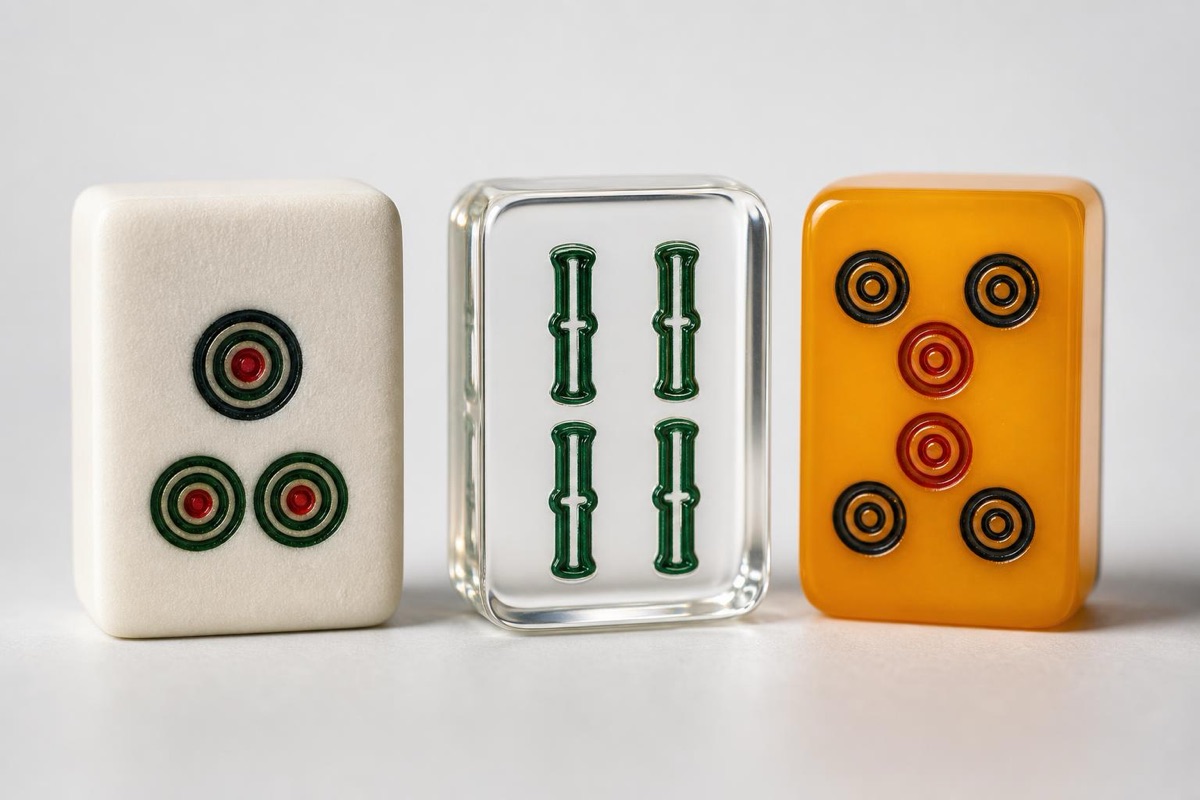
Melamine offers the best durability-to-price ratio for daily play.
Key takeaways
- Melamine delivers unmatched durability and value for daily players and clubs.
- Before we dive deep into each material, here's a side-by-side snapshot so you can see the key differences at a glance:
- Melamine is a thermosetting plastic resin — meaning it's been chemically cured under heat and pressure into a hard, stable material that won't soften or melt under normal conditions.
On this page
- Quick Takeaway
- The Big Three: Overview Comparison
- Melamine: The Workhorse
- Acrylic: The Premium Choice
- Resin: The Lightweight Option
- Engraved vs Printed: The Other Material Decision
- Weight and Sound: The Sensory Experience
- Which Material Should YOU Choose?
- How to Tell What Material a Set Is Made Of
- Caring for Different Materials
- Frequently Asked Questions
- Buyer checklist
- Production notes
- Related buyer guides
Quick Takeaway
Melamine delivers unmatched durability and value for daily players and clubs. Acrylic offers the premium tactile and visual experience ideal for gifts, upgrades, and collectors. Resin provides lightweight convenience for travel and casual use.
The Big Three: Overview Comparison
Before we dive deep into each material, here's a side-by-side snapshot so you can see the key differences at a glance:
| Property | Melamine | Acrylic | Resin |
|---|---|---|---|
| Price Range | $75–150 | $150–350 | $50–120 |
| Weight | Medium | Heavy | Light–Medium |
| Durability | Excellent (scratch resistant) | Very Good | Good |
| Feel / Hand Feel | Solid, familiar | Premium, satisfying | Smooth, lighter |
| Engraving Quality | Good | Excellent (deep, crisp) | Good–Excellent |
| Color Options | Standard, wide | Vibrant, translucent possible | Wide, flexible |
| Best For | Daily play, clubs, beginners | Gifts, collectors, design lovers | Travel, casual play, budget |
| Lifespan | 10+ years | 15+ years | 5–8 years |
A few things jump out immediately. Melamine offers the best durability-to-price ratio. Acrylic commands the highest prices but delivers a noticeably premium experience. Resin is the lightweight, budget-friendly option — great for specific use cases but not built for decades of play.
Melamine: The Workhorse
What Is Melamine?
Melamine is a thermosetting plastic resin — meaning it's been chemically cured under heat and pressure into a hard, stable material that won't soften or melt under normal conditions. In the context of mahjong tiles, melamine is typically compression-molded into tiles that are dense, uniform, and extremely resistant to wear.
Advantages
Exceptional scratch and wear resistance. This is melamine's superpower. Unlike acrylic, which can be scratched by keys, rings, or abrasive surfaces, melamine shrugs off daily abuse. If you're playing multiple times a week, stacking tiles in trays, and tossing them into a carrying case, melamine handles it all without showing signs of wear.
Stable, predictable pricing. Because melamine manufacturing is well-established and highly scalable, melamine sets tend to be priced consistently. You're not paying for a "luxury material" premium — you're paying for a well-made, durable product at a fair price.
Excellent color consistency. Melamine tiles are produced using pigments mixed directly into the raw material before molding. This means the color goes all the way through the tile, not just on the surface. Chips or scratches won't reveal a different color underneath.
Ideal for volume production. If you're outfitting a mahjong club or buying gifts for a group, melamine offers reliable quality at scale without the steep per-set cost of acrylic.
Disadvantages
Less premium feel than acrylic. Melamine tiles are solid and weighty, but they lack the high-gloss, glass-like finish that acrylic provides. Some players describe melamine as feeling "functional" rather than "luxurious."
Lower surface luster. While melamine tiles are smooth, they don't achieve the mirror-polish that well-crafted acrylic tiles can.
Limited translucency. You won't find translucent or crystal-clear melamine tiles. If that aesthetic matters to you, acrylic is the way to go.
Who Should Choose Melamine?
Melamine is the ideal choice for:
- Daily and weekly players who want a reliable set that can handle frequent use
- Mahjong clubs and schools that need multiple sets at a reasonable cost
- Beginners who want quality without overspending on their first set
- Practical buyers who prioritize durability over aesthetics
Acrylic: The Premium Choice
What Is Acrylic?
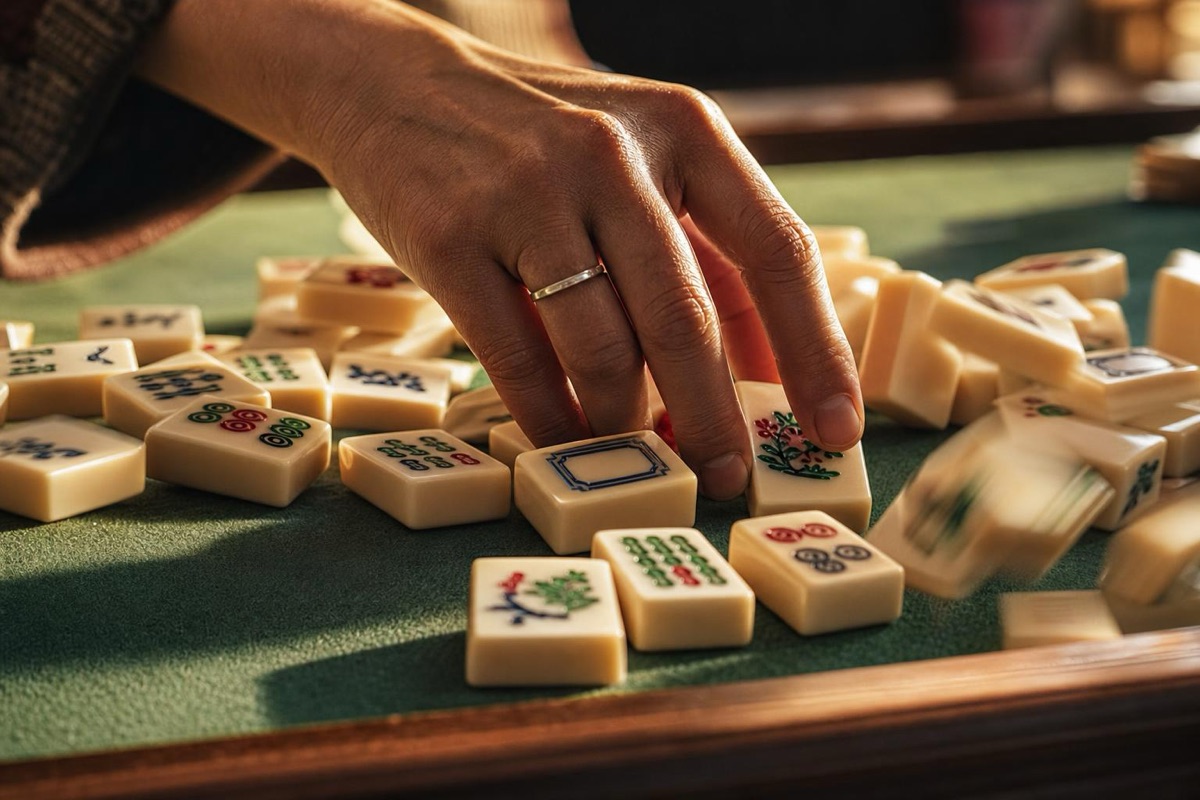
Acrylic, specifically polymethyl methacrylate (PMMA), is a transparent thermoplastic known for its exceptional clarity, gloss, and weatherability. You might know it by trade names like Plexiglas or Lucite. In the mahjong world, acrylic is considered the gold standard for premium tile sets.
Advantages
Superior weight and heft. Acrylic is significantly denser than melamine. When you pick up an acrylic tile, there's a palpable sense of substance — it feels important. This weight translates to a more confident handling experience and a deeper, more satisfying shuffle sound.
Exceptional surface finish. Well-polished acrylic tiles have a glass-like luster that catches light beautifully. The smooth, polished surface feels noticeably different in your hands compared to melamine's more matte finish.
Deep, crisp engraving. Because acrylic is a relatively soft thermoplastic, it accepts laser engraving exceptionally well. Engraved details come out sharp, deep, and highly legible — especially important for the intricate face designs used in American mahjong.
Translucent and specialty finishes. Acrylic can be produced in translucent, frosted, and even multi-layered color combinations that simply aren't possible with melamine.
Longest lifespan. With proper care, acrylic tiles can last 15+ years. They don't yellow significantly, don't absorb moisture, and resist chemical degradation.
Disadvantages
Higher price point. Acrylic sets typically cost $150–350, with some designer editions exceeding $500.
More prone to scratching. While the material is hard, it can be scratched by abrasive surfaces, rough handling, or contact with harder materials.
Heavier to transport. A full acrylic set with racks and case can weigh 15–25 pounds.
Potential for internal imperfections. Lower-quality acrylic tiles may contain small bubbles, inclusions, or color inconsistencies that become visible in strong light.
Who Should Choose Acrylic?
- Gift buyers looking for something special and memorable
- Collectors who appreciate craftsmanship and premium materials
- Weekly players who want the best possible tactile experience
- Design-conscious buyers who care about how their set looks on the table
- Anyone upgrading from a basic set and wanting a noticeable step up
Resin: The Lightweight Option
What Is Resin?
"Resin" in the mahjong world is a broad term that refers to various synthetic resin formulations — typically polyester or epoxy-based compounds. Unlike melamine (a specific, standardized thermosetting plastic) or acrylic (PMMA), "resin" can mean different things from different manufacturers.
Advantages
Lightweight. A full resin set can weigh 30–40% less than an equivalent acrylic set, making it ideal for players who bring their set to different locations.
Pleasant hand feel. Resin tiles tend to have a smooth, almost warm feel that many players find comfortable.
Design flexibility. Resin can be formulated with embedded glitter, color swirls, and other decorative elements that are difficult with melamine or acrylic.
Lower price point. Resin sets are typically the most affordable option, with many quality sets available for $50–120.
Disadvantages
Lower durability. Most resin formulations are softer than melamine and less chemically stable than acrylic. Over time, resin tiles may develop surface scratches, color shifts, or a slight tackiness in humid conditions.
Inconsistent quality. Because "resin" isn't a standardized material, quality varies dramatically between brands and production runs.
Shorter lifespan. Most resin sets last 5–8 years with regular use — significantly less than melamine or acrylic.
Engraved vs Printed: The Other Material Decision
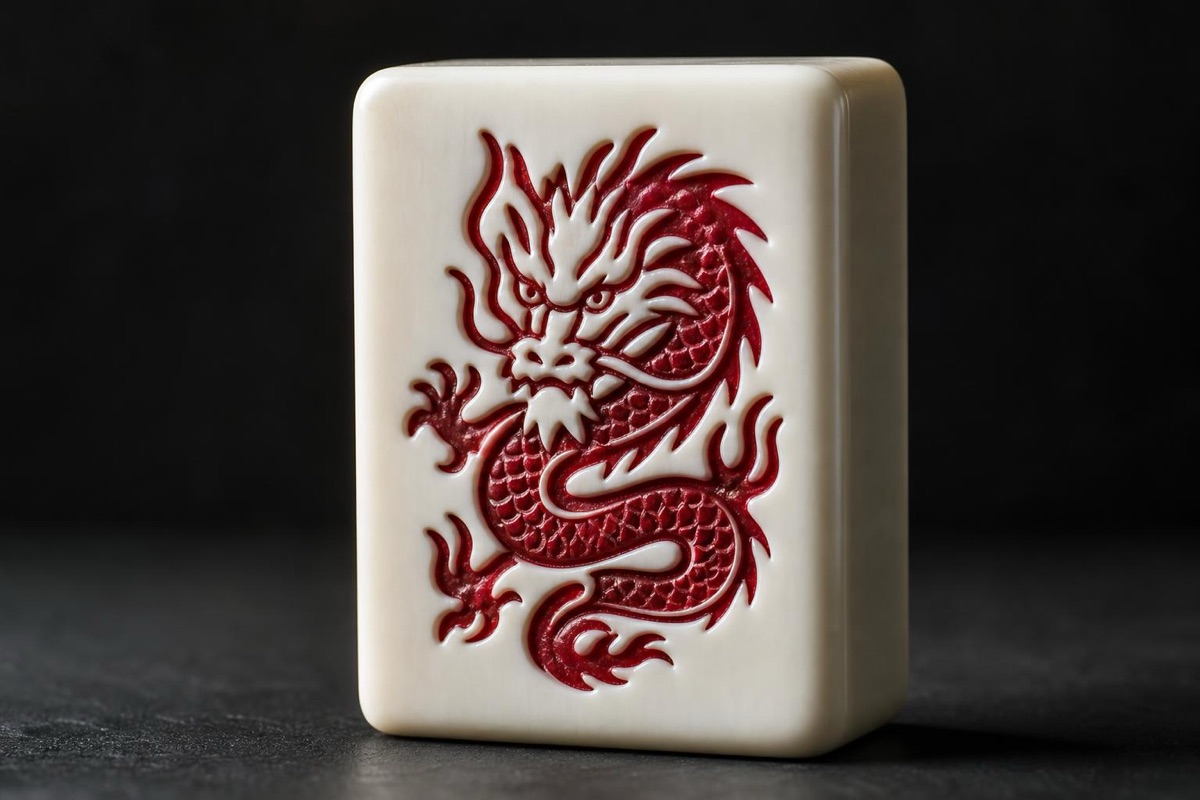
Most American mahjong tiles feature designs that are either engraved (carved into the tile surface) or printed (applied as ink on top of the tile).
Engraved Tiles
The design is physically carved into the tile surface using precision lasers or mechanical engraving tools. The engraved grooves are then filled with contrasting color for visibility.
- Permanent. The design cannot wear off because it's part of the tile itself.
- Tactile. You can feel the engraved lines with your fingertips.
- Professional appearance. Engraved tiles look and feel authentic.
- Won't fade. Even if the fill color eventually wears, the engraved design remains.
Printed Tiles
Printed tiles use ink-based printing (often UV printing or pad printing) to apply designs on the tile surface.
- Lower cost but can wear off over time with frequent play.
- No tactile feedback — the surface feels smooth.
- May be affected by exposure to oils, sunscreen, and cleaning chemicals.
Weight and Sound: The Sensory Experience
Weight. A standard American mahjong tile weighs between 10 and 20 grams, depending on the material. Melamine tiles typically weigh 12–16g, acrylic tiles 16–20g, and resin tiles 8–14g.
Sound. That distinctive "clack" of mahjong tiles being shuffled is one of the game's most recognizable features. Heavier acrylic tiles produce a deeper, more resonant clack. Melamine tiles produce a slightly higher-pitched, crisper sound. Resin tiles tend to produce the lightest, quietest sound.
Which Material Should YOU Choose?
| If You... | Choose... | Budget Range |
|---|---|---|
| Are a beginner | Melamine set | $100–150 |
| Play weekly with friends | Mid-range Melamine or entry Acrylic | $150–200 |
| Are buying as a gift | Acrylic set | $200–350 |
| Travel frequently | Resin travel set | $50–80 |
| Are buying for a club (10+ sets) | Melamine bulk | $75–100 each |
| Are a collector | Premium Acrylic | $300–500 |
A note on value: Don't confuse price with value. A $120 melamine set from a quality manufacturer may provide better long-term satisfaction than a $200 acrylic set from a brand cutting corners on quality control.
How to Tell What Material a Set Is Made Of
- Visual inspection. Acrylic tiles have a distinctive high-gloss, often glass-like finish. Melamine tiles look more matte or satin. Resin tiles can vary widely.
- Weight test. Pick up a single tile. Acrylic feels noticeably heavier than melamine, which feels heavier than resin.
- Sound test. Tap two tiles together. Acrylic produces a deeper, more resonant "clack." Melamine sounds crisper. Resin is lighter and more hollow.
- Ask the seller directly. If the listing doesn't clearly state the material, ask specifically: "Are these tiles made of melamine, acrylic (PMMA), or resin? Are the designs engraved or printed?"
Caring for Different Materials
Melamine
- Wipe clean with a soft, damp cloth after each session.
- Avoid abrasive cleaners or scouring pads.
- Store in the provided case away from direct sunlight and extreme heat.
Acrylic
- Handle with care to avoid scratching — remove rings before playing if possible.
- Use a microfiber cloth for cleaning. A very mild soap solution is fine.
- Apply acrylic-safe polish once or twice a year to maintain the high-gloss finish.
- Never use ammonia-based cleaners, which can cause micro-crazing.
Resin
- Keep away from direct sunlight and UV sources to prevent yellowing.
- Clean with a soft, damp cloth.
- Store in a cool, dry place — resin can become slightly tacky in high humidity.
- Handle gently; resin is the most scratch-prone of the three materials.
Frequently Asked Questions
Is acrylic better than melamine for mahjong tiles?
"Better" depends on your priorities. Acrylic offers a more premium feel, heavier weight, and higher-gloss finish, but melamine is significantly more scratch-resistant and typically costs less. For regular play and durability, melamine is excellent. For luxury, gifts, and the best tactile experience, acrylic is superior.
How long do melamine mahjong tiles last?
With normal use and proper care, a quality melamine set will last 10+ years. Many melamine sets from the 1990s and 2000s are still in regular use today.
Are resin mahjong tiles any good?
Resin tiles can be perfectly adequate for casual play, especially as travel sets. The key issue is quality variability — "resin" is a broad category, and quality differs significantly between manufacturers. Prioritize well-reviewed brands and check that the designs are engraved.
Do acrylic tiles scratch easily?
Compared to melamine, yes. Acrylic is softer and more susceptible to surface scratches from abrasive contact. However, with reasonable care, scratches are minimal and cosmetic. Minor scratches can be polished out with acrylic polishing compound.
How can I tell if tiles are acrylic or plastic?
"Plastic" isn't a specific material — melamine, acrylic, and resin are all technically plastics. To distinguish acrylic from melamine, look for acrylic's higher gloss, heavier weight, and deeper, more resonant sound.
What material do professional mahjong players prefer?
Many competitive players prefer melamine for its consistency and durability during long sessions. Others prefer the weight and feel of acrylic. The NMJL doesn't mandate a specific material, only that tiles meet size and design standards.
Is UV printing better than engraving?
Engraving is more permanent and provides tactile feedback. UV printing produces brighter designs but won't last as long. For tiles you plan to use regularly for years, engraving is the better choice.
Buyer checklist
- Specify the material, tile dimensions, finish and exact tile manifest.
- Review readability and rack fit using the intended physical sample.
- Record approved specifications and inspection criteria before production.
Production notes
Material comparisons are general manufacturing guidance. Exact composition, construction, tolerances and performance are project-dependent and need sample verification.
Continue your project planning
Use this guide to prepare your brief for Custom Mahjong tiles.
Planning a custom set?
Send quantity, tile count, target dimensions, artwork status, accessories, packaging, destination and launch date. These details help define a comparable quotation and sample scope.
Discuss a custom project