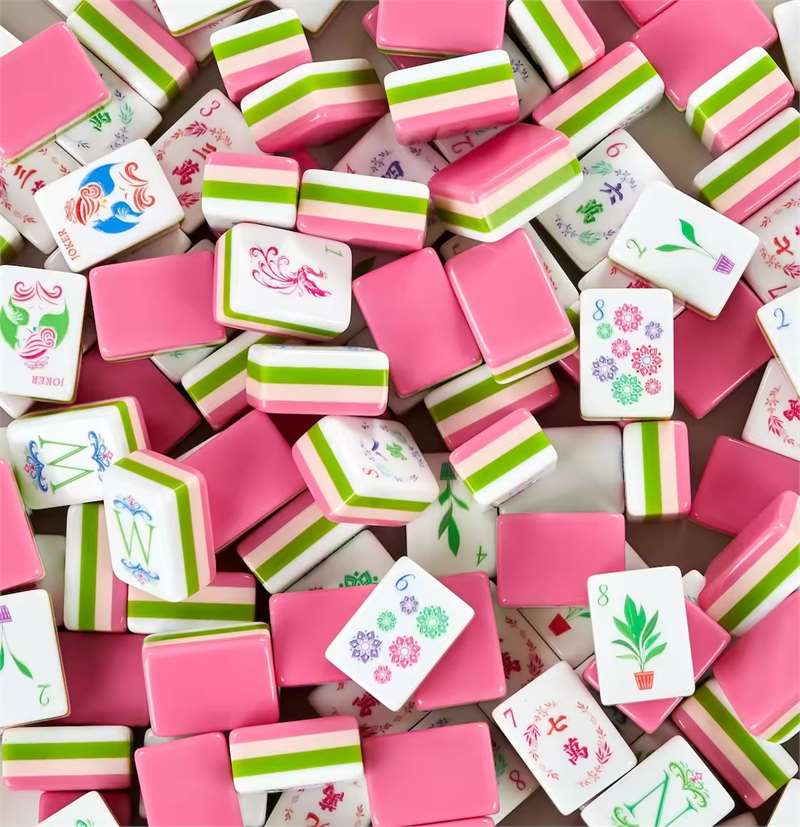
Most vintage American Mahjong sets from the 1960s through the 1980s are durable enough for weekly gameplay, provided they have been stored properly and show no major structural damage. The Bakelite and catalin tiles used in mid-century American Mahjong sets are among the most durable tile materials ever produced, often outlasting modern plastic tiles by decades. However, durability depends heavily on the specific material, the storage conditions over the years, and what you consider acceptable wear for regular play.
If you are thinking about buying a vintage American Mahjong set to use as your primary weekly set, the answer is yes — with some important caveats about condition assessment and maintenance that this guide will cover in detail.
The Materials Behind Vintage Durability
American Mahjong sets from different eras used different materials, and understanding these materials is the key to assessing durability.
Bakelite sets from the 1930s through the 1950s are the gold standard of vintage Mahjong durability. Bakelite, one of the first synthetic plastics, is phenomenally tough. It resists chipping, cracking, and fading. Bakelite tiles have a distinctive clack when they hit the table that many players find more satisfying than the sound of modern tiles. The main durability concern with Bakelite is that it can develop a brittle quality if exposed to extreme heat over long periods, but tiles stored at normal room temperature remain playable for generations.
Catalin sets from the same era share similar durability characteristics. Catalin is a related phenolic resin that was marketed in bright, vibrant colors. It is slightly more prone to surface scratching than Bakelite but equally resistant to chipping and cracking. Catalin tiles often have a beautiful depth of color that modern manufacturing struggles to replicate.
Plastic compound sets from the 1960s through the 1980s are the most common vintage sets you will encounter. These tiles are made from various proprietary plastic blends, generally durable but not quite as bulletproof as Bakelite. The good ones hold up well to weekly play. The concern with this era is quality variation — some manufacturers used excellent materials while others cut corners.
Modern resin sets from the 1990s onward are technically not vintage yet, but sets from this era are increasingly available in the secondhand market. These tiles are generally very durable and similar in quality to what you would buy new today. You can check detailed specifications on specialized US Mahjong guides like lukmaj.com for comparisons between vintage and modern materials.
Common Durability Issues in Vintage Sets
Even the toughest vintage tiles can develop problems after decades of use and storage. Here are the issues to watch for.
Chipped edges are the most common physical damage. Tiles that were dropped on hard floors or knocked off tables may have small chips on the corners or edges. Minor chips on the bottom or back of a tile do not affect play. Chips on the face of the tile can interfere with reading the suit and number, which is a bigger problem. Examine each tile face carefully before committing to regular use of a vintage set.
Faded or worn markings are a concern with painted or screen-printed tile faces. Engraved tiles, where the marking is carved into the tile surface and filled with paint, are much more durable. If the engraving is deep, even faded paint can be refreshed with a careful re-coloring. Shallow engravings or purely painted markings that have worn away are harder to restore.
Yellowing affects white and light-colored tiles that have been exposed to sunlight or fluorescent lighting for extended periods. Yellowing is cosmetic and does not affect playability, but it can make the set look aged. There is no reliable way to reverse yellowing in plastic or resin tiles.
Warping occurs when tiles have been stored in hot environments or under heavy weight. A warped tile rocks when placed flat on a table, which can be annoying during wall building. Mild warping is tolerable for casual play, but severely warped tiles should be replaced.
Incomplete sets are a practical durability concern rather than a material one. Vintage sets that have been through multiple owners may be missing tiles, jokers, or racks. An incomplete set cannot be used for standard American Mahjong, which requires all 152 tiles. Replacement tiles for vintage sets are available but finding an exact match in color and size can be challenging.
Assessing a Vintage Set Before Buying
If you are shopping for a vintage American Mahjong set to use regularly, a thorough condition check before purchase is essential.
Count every tile. There should be exactly 152 tiles for American Mahjong: 36 each of dots, bamboos, and cracks in four copies of numbers one through nine, plus 16 wind tiles, 12 dragon tiles, 8 flowers, and 8 jokers. According to NMJL standard tournament guidelines, all 152 tiles must be present for sanctioned play. Even for casual weekly games, missing tiles are a deal-breaker.
Check each tile for cracks. Hold each tile up to a light source and look for hairline cracks, especially along the edges and corners. Small surface cracks are usually cosmetic, but deep cracks that penetrate through the tile will eventually lead to breakage.
Test the tile markings. Rub your thumb firmly across the face of several tiles. If paint comes off on your thumb, the markings are deteriorating and will not survive regular weekly play.
Inspect the racks. Vintage wooden racks can develop loose joints, splinters, or warping. Plastic racks from the 1960s onward are generally more durable than the wooden ones, but check for cracks at stress points.
Examine the case. Vintage cases range from sturdy wooden boxes to flimsy cardboard containers. The case does not affect gameplay, but a damaged case offers poor protection during transport and storage.
Maintaining a Vintage Set for Weekly Play
Once you have a good vintage set, proper maintenance keeps it playable for years to come.
Store tiles in their case when not in use. Leaving tiles spread out or in direct sunlight accelerates fading and material degradation. A closed case protects tiles from dust, light, and accidental damage.
Handle tiles with clean, dry hands. Oils and lotions from your skin can degrade painted markings over time. This is good advice for any Mahjong set but especially important for vintage tiles with older paint formulations.
Avoid extreme temperatures. Do not store your vintage set in a hot attic, a cold garage, or near a heating vent. Stable room temperature preserves the material integrity of both tiles and racks.
Clean tiles gently. A soft, slightly damp cloth is sufficient for regular cleaning. Avoid chemical cleaners, solvents, or abrasive materials. For stubborn grime, a mixture of mild dish soap and warm water applied with a soft cloth works well. Dry the tiles immediately after cleaning.
Consider tile bags for storage. Storing tiles loose in their case allows them to rub against each other, which can gradually wear engraved markings. Individual tile bags or a padded case tray prevents this contact.
Vintage vs. Modern: A Practical Comparison
For weekly gameplay, both vintage and modern sets have advantages. Here is how they compare in key areas.
Durability: High-quality vintage sets, particularly Bakelite and catalin, are at least as durable as modern sets. Mid-range vintage plastic sets may be slightly less durable than modern equivalents depending on the specific material blend.
Playability: Vintage tiles often have a more satisfying tactile feel and sound than modern tiles. The weight and clack of vintage Bakelite is widely considered superior. However, modern tiles are more consistent in size and shape, which makes wall building smoother.
Aesthetics: This is subjective, but many players prefer the unique character of vintage sets. No two vintage sets look exactly alike due to color variations and aging patterns. Modern sets are more uniform and polished.
Availability: Modern sets are readily available in consistent quality. Finding a good vintage set requires patience, careful inspection, and often a higher price for sets in excellent condition.
Cost: Vintage sets in poor condition can be very cheap, but a complete, well-preserved vintage set often costs as much as or more than a new premium set. The pricing reflects collector demand as much as playability.
When a Vintage Set Is Not Worth It
Not every vintage set is suitable for weekly play. Walk away from a set if any of these red flags are present.
More than two or three tiles are missing or severely damaged. Finding exact replacement tiles is time-consuming and expensive, and mismatched replacement tiles look awkward and can be different enough in size to feel wrong during play.
The tile markings are heavily worn or illegible on more than a handful of tiles. Re-inking an entire set is a major project that most players will not complete.
The tiles have a strong, unpleasant chemical smell. This can indicate material breakdown, especially in older plastic compounds. It may also be a health concern depending on the specific chemicals involved.
The case is severely damaged and provides no protection. A new case can be purchased, but the cost and effort of transferring a vintage set to a modern case reduces the appeal of going vintage in the first place.
FAQ
How can I tell if my vintage Mahjong tiles are Bakelite?
The most reliable test is the hot pin test: heat a needle or pin until very hot and touch it to an inconspicuous area of a tile. Bakelite produces a distinctive formaldehyde smell. A simpler, non-destructive test is to rub the tile vigorously with your thumb until it gets warm — Bakelite often produces a faint chemical odor. Color is also a clue: Bakelite comes in limited colors, typically black, brown, red, green, and butterscotch.
Are vintage American Mahjong sets safe to handle?
Most vintage tiles from reputable manufacturers are safe for normal handling during gameplay. Tiles from the 1960s onward use standard plastics that pose no handling risk. Very early Bakelite and catalin tiles from the 1930s and 1940s may contain small amounts of substances that are now regulated, but the risk from occasional skin contact during games is negligible. Wash your hands after playing as a general hygiene practice.
Can I use a vintage set in a tournament?
Yes, as long as the set is complete with all 152 tiles and the markings are clearly legible. According to NMJL standard tournament guidelines, there is no restriction against using older or vintage sets. Some tournament players actually prefer vintage sets for their superior tactile qualities.
How much should I pay for a playable vintage American Mahjong set?
Prices vary widely. A complete, playable set in fair condition typically costs between $30 and $80. Sets in excellent condition with all accessories and a nice case can range from $100 to $300. Exceptionally rare or collectible sets may cost much more, but those are typically purchased by collectors rather than players.
Where is the best place to find vintage American Mahjong sets?
Estate sales, thrift stores, and online marketplaces like eBay and Etsy are the most common sources. Mahjong-specific collector groups on social media are also excellent resources. Estate sales often yield the best prices because the sellers may not recognize the value of a complete Mahjong set.