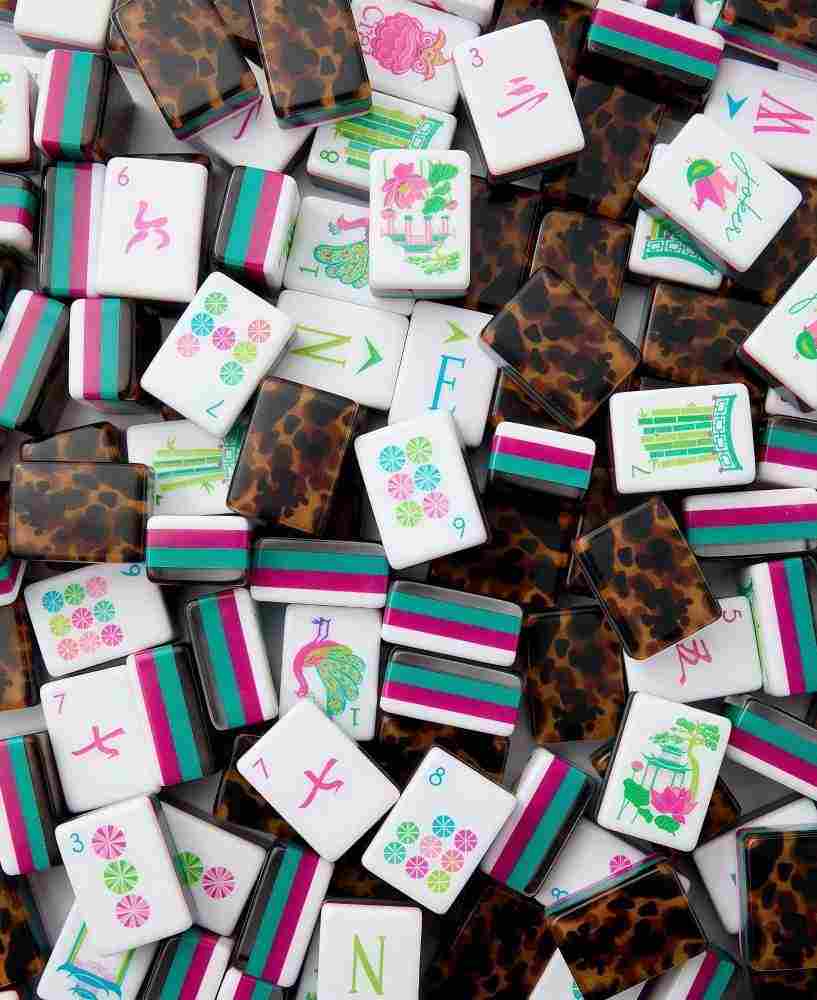
Choosing between acrylic and resin American Mahjong tiles comes down to three factors: feel, durability, and budget. Acrylic tiles offer a classic glossy finish, satisfying weight, and excellent durability at a moderate price. Resin tiles deliver a premium heft, richer colors, and a more luxurious tactile experience at a higher price point. Both materials are fully suitable for American Mahjong gameplay and tournament use.
This guide breaks down the differences between acrylic and resin tiles so you can make the right choice for your playing style and budget.
What Are Acrylic Mahjong Tiles
Acrylic is a transparent thermoplastic material often used as a lightweight, shatter-resistant alternative to glass. In Mahjong tile manufacturing, acrylic is poured into molds and allowed to harden, creating tiles with a smooth, glossy surface. The tile faces are engraved and then filled with color to create the markings.
Acrylic Mahjong tiles are the most common material used in mid-range American Mahjong sets. They have been the industry standard for decades and are trusted by millions of players worldwide.
The key characteristics of acrylic tiles include a moderate weight that feels substantial without being tiring during extended play sessions. They produce a clear, bright clacking sound when tiles touch, which many players consider an essential part of the Mahjong experience. The surface is smooth and slightly cool to the touch.
What Are Resin Mahjong Tiles
Resin refers to a category of synthetic polymers that are denser and heavier than acrylic. In Mahjong manufacturing, resin is typically a polyurethane or polyester compound that is poured into molds and cured. The resulting tiles are heavier, more opaque, and have a more substantial feel than acrylic.
Resin tiles are the premium material in the Mahjong world. They are used in high-end sets and are favored by players who prioritize tactile quality and visual richness. Resin allows for deeper, more vibrant colors and more precise engraving details.
The key characteristics of resin tiles include a noticeably heavier weight per tile, which some players describe as feeling more "real" or "authentic." The surface finish can range from a smooth polish to a slight matte texture depending on the manufacturer. Resin tiles produce a deeper, more resonant sound during play.
Weight Comparison: How They Feel in Your Hand
Weight is the first thing most players notice when comparing acrylic and resin tiles. A standard acrylic American Mahjong tile weighs approximately 10 to 12 grams. A resin tile of the same size weighs approximately 14 to 18 grams.
This difference of 4 to 6 grams per tile might seem small, but it adds up. A complete hand of 13 tiles in acrylic weighs about 130 to 156 grams. The same hand in resin weighs about 182 to 234 grams. Over a multi-hour playing session, the heavier resin tiles can cause hand fatigue for some players, particularly those with arthritis or grip issues.
Conversely, many experienced players prefer the heavier resin tiles because they stay in place better on the rack and feel more satisfying to handle. The weight provides physical feedback that helps with tile manipulation and wall building.
Durability: Which Material Lasts Longer
Both acrylic and resin are durable materials that withstand years of regular play. However, they differ in how they age.
Acrylic tiles are resistant to chipping but can develop surface scratches over time, especially if stored loosely where tiles rub against each other. The glossy finish may dull slightly after several years of heavy use. Acrylic is also more resistant to temperature changes and is less likely to crack if dropped on a hard floor.
Resin tiles are highly resistant to scratches and maintain their finish longer than acrylic. However, resin is more brittle than acrylic and can chip if a tile is dropped on a hard surface at the wrong angle. Resin is also slightly more sensitive to extreme temperatures, though this is rarely an issue in normal indoor play conditions.
For most players, either material will last 5 to 10 years or more with basic care. The durability difference only becomes relevant for sets that are used daily in club or tournament settings.
Color and Appearance
Resin tiles generally offer richer, more saturated colors than acrylic. The denser material allows for deeper pigment penetration, resulting in tile faces that look more vibrant and three-dimensional. The engraving on resin tiles tends to be sharper and more defined because the material holds fine detail better during the molding process.
Acrylic tiles have a brighter, more reflective surface. Colors are clear and readable but may appear slightly flatter compared to resin. The glossy finish of acrylic tiles can create glare under bright overhead lighting, which some players find distracting.
Both materials are perfectly readable from across the table. The visual differences are aesthetic preferences rather than functional concerns.
Sound During Gameplay
The sound tiles make when they clack together is surprisingly important to many Mahjong players. The rhythmic clacking of tiles is considered part of the game's sensory experience.
Acrylic tiles produce a bright, crisp clacking sound. The tone is higher pitched and sharper. Many players describe it as the "classic" Mahjong sound.
Resin tiles produce a deeper, more resonant sound. The tone is lower and fuller. Some players prefer this richer sound and feel it adds to the premium feel of the playing experience.
Sound preference is entirely subjective. Some clubs and tournaments are held in spaces where quieter acrylic tiles are preferred, while others enjoy the bold sound of resin. Neither material has a functional advantage in terms of sound.
Price Comparison: What You Will Pay
Acrylic American Mahjong sets typically range from $50 to $120 depending on the brand, accessories included, and case quality. This makes acrylic the most popular choice for casual players, beginners, and anyone looking for good value.
Resin American Mahjong sets typically range from $120 to $300 or more. The higher price reflects the more expensive raw material, longer manufacturing process, and the premium market positioning of resin sets.
For a player who plays once or twice a week, an acrylic set provides excellent value. For a dedicated player who plays daily or competes in tournaments, a resin set can be a worthwhile investment in playing comfort and enjoyment.
Which Material Do Tournament Players Prefer
Tournament players are split between acrylic and resin. According to NMJL standard tournament guidelines, both materials are acceptable for competitive play. The choice comes down to personal preference.
Players who attend long tournament sessions sometimes prefer acrylic because the lighter weight reduces fatigue over 6 to 8 hours of play. Players who value tactile precision and the premium feel of heavier tiles tend to prefer resin.
There is no competitive advantage to either material. Tournament outcomes are determined by skill, strategy, and luck, not by the material of the tiles.
How to Decide: A Simple Framework
Choose acrylic if you are buying your first American Mahjong set, play casually a few times per month, are sensitive to wrist or hand fatigue, prefer a lighter tile, or want the best value for your budget.
Choose resin if you are an experienced player upgrading from an older set, play frequently or in tournaments, prefer a heavier, more substantial feel, value rich colors and premium aesthetics, or are buying a gift for a dedicated Mahjong enthusiast.
You can explore detailed comparisons of specific acrylic and resin American Mahjong sets on resources like lukmaj.com, where material specifications and pricing are available side by side.
Maintenance Tips for Both Materials
For acrylic tiles, wipe with a soft dry cloth after play to remove oils from handling. Store in the case to prevent surface scratches from tiles rubbing together. Avoid exposing to direct heat sources.
For resin tiles, handle with care to avoid chipping from drops. Wipe with a soft dry cloth. Store in the case with tiles separated by dividers if possible. Avoid extreme temperature changes.
Both materials benefit from occasional cleaning with a slightly damp cloth followed by thorough drying. Never use chemical cleaners or abrasive materials on Mahjong tiles.
Frequently Asked Questions
Are resin tiles harder to read than acrylic tiles?
No. Both materials provide clear, readable markings. Resin tiles actually tend to have sharper engraving due to the material's ability to hold fine detail. The readability difference between the two materials is negligible.
Do resin tiles break easily?
Resin tiles are durable and withstand normal gameplay without issue. However, they are more brittle than acrylic and can chip if dropped on a hard floor at an angle. Normal handling and play will not damage resin tiles.
Is there a weight difference that affects gameplay?
Yes. Resin tiles are approximately 30 to 50 percent heavier than acrylic tiles of the same size. This affects how tiles feel on the rack and during tile manipulation. Some players prefer the weight while others find it fatiguing during long sessions.
Can I mix acrylic and resin tiles in the same set?
It is not recommended. Mixing materials creates inconsistencies in weight, feel, and appearance that can be distracting during gameplay. Always use a uniform set.
What material do most American Mahjong clubs use?
Most clubs use acrylic tiles because they offer the best balance of quality, durability, and affordability. Some premium clubs and tournament settings use resin tiles, but acrylic remains the more common choice across the United States.