
Direct answer for buyers
Sustainable Mahjong sourcing is not only about choosing a greener box. The strongest programs usually combine lower-plastic packaging, more recyclable or renewable materials, longer product life, and clearer buyer-facing claims.
For premium Mahjong brands, packaging and material choices increasingly affect retail positioning, gift value, and buyer trust as much as they affect environmental storytelling.
Key takeaways
- Sustainable Mahjong sourcing is not only about choosing a greener box.
- For premium Mahjong brands, packaging and material choices increasingly affect retail positioning, gift value, and buyer trust as much as they affect environmental storytelling.
- That matters in the American Mahjong space, where many end customers are buying premium sets as gifts, collectibles, boutique retail products, or lifestyle objects rather than only as basic game pieces.
On this page
- Sustainability Is Becoming a Buyer Expectation
- Where Sustainable Improvements Usually Start
- The Tile Material Question Is Really a Durability Question
- How to Communicate Sustainability Without Greenwashing
- Three Questions About Sustainable Mahjong Production
- Sources and References
- Buyer checklist
- Production notes
- Related buyer guides
Sustainability Is Becoming a Buyer Expectation
The market pressure is no longer theoretical. According to the Shorr 2025 Sustainable Packaging Consumer Report, 90% of US consumers say they are more likely to purchase from a brand using eco-friendly packaging, and 39% say they have switched brands because a competitor offered more sustainable packaging.
That matters in the American Mahjong space, where many end customers are buying premium sets as gifts, collectibles, boutique retail products, or lifestyle objects rather than only as basic game pieces. In those categories, packaging quality and packaging values travel together.
Broader packaging market data points in the same direction. The article source cites a 2026 sustainable packaging market estimate of USD 325.94 billion with continued growth ahead, reinforcing that this is not a niche conversation but a mainstream procurement trend.
Where Sustainable Improvements Usually Start
| Packaging Area | Conventional Choice | More Sustainable Direction |
|---|---|---|
| Carrying case | Synthetic nylon and plastic-heavy trims | Organic cotton canvas, recycled polyester, hemp blends, and longer-life metal hardware |
| Inner protection | Expanded polystyrene or rigid plastic inserts | Molded pulp trays, recycled cardboard dividers, or biodegradable protective foams |
| Outer carton | Virgin board and plastic tape | Recycled FSC-oriented board, soy-based inks, and water-activated paper tape |
| Documentation | Glossy coated inserts | Recycled uncoated paper plus QR-linked digital instructions where appropriate |
For carrying cases, the source article highlights organic cotton canvas, recycled polyester, and hemp fabric as realistic upgrades. It also points out that the sustainability story is stronger when hardware lasts longer and is easier to recycle, which is why brass or stainless options tend to read better than plated plastic components.
For inner packaging, molded pulp trays and recycled board dividers are often the first meaningful change because they replace bulky plastic protection without changing the buyer experience too dramatically. For export cartons, soy-based inks and paper tape help reduce secondary plastics while still keeping the packaging practical for freight handling.
Practical rule: the most credible sustainability upgrade is usually the one a buyer can describe specifically. A vague eco story is weaker than saying the set uses recycled paper inserts, reduced plastic wrapping, and a longer-life carrying case construction.
The Tile Material Question Is Really a Durability Question
The article source makes an important distinction: PMMA acrylic is technically recyclable, but recycling infrastructure for it is still limited in many places. That means sustainability arguments around tile materials should not overstate end-of-life recyclability.
Instead, the stronger claim is durability. A premium set that stays in use for years or decades usually creates less waste than lower-grade sets that are replaced frequently. In premium Mahjong, long life is part of the sustainability equation because fewer replacements mean less packaging, less freight, and less material turnover over time.
For buyers positioning Mahjong sets as heirloom, club, or gift products, that durability framing is usually more defensible than broad claims about a material being automatically green.
How to Communicate Sustainability Without Greenwashing
The source article argues that buyers respond better to specific claims than to broad environmental language, and that is the right operating principle for brand copy. If a carrying case uses recycled cotton canvas, say that. If inserts use recycled board, say that. If the brand has not confirmed a certification or tested a supplier statement, do not imply it publicly.
The same cited Shorr report also notes that younger buyers are often willing to pay more for better packaging when the value is clear. That does not mean every sustainability change pays for itself automatically. It means better packaging can contribute to perceived value when the upgrade is visible, specific, and consistent with the product tier.
- Audit the packaging system. Identify where plastic-heavy parts, unnecessary inserts, or oversized cartons are creating avoidable waste.
- Choose a few real upgrades. Replace the clearest problem areas first instead of trying to redesign everything at once.
- Write only verifiable claims. Use named materials, named component changes, or confirmed certifications instead of generic environmental language.
Three Questions About Sustainable Mahjong Production
Does eco-friendly packaging cost significantly more than conventional packaging?
The source article estimates that sustainable packaging materials can cost more, but also explains why the difference may narrow once buyers reduce void space, simplify formats, or lower shipping weight. In premium giftable products, that extra cost can sometimes be offset by higher perceived value rather than only by direct material savings.
Can I get sustainability certifications for my mahjong brand?
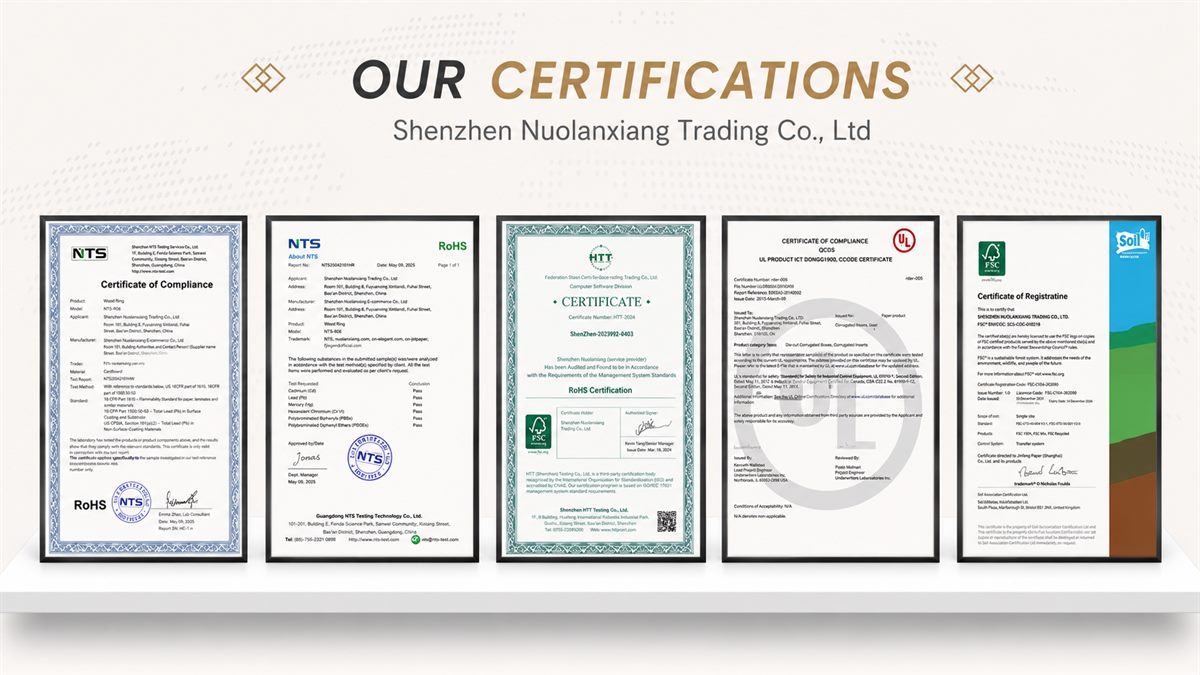
Yes, but certification scope varies. The source article references FSC for paper and cardboard components and OEKO-TEX for textile elements such as carrying cases. Broader business certifications involve separate audit and compliance processes, so buyers should confirm the correct certification path before using it in marketing.
Is bamboo packaging a good sustainable alternative for mahjong set cases?
It can be, but the source article correctly treats bamboo as a sourcing-quality question rather than an automatic win. Buyers should review plantation sourcing, lamination adhesives, and overall manufacturing controls before presenting bamboo as a stronger environmental option.
Sources and References
1. Shorr - 2025 Sustainable Packaging Consumer Report
2. EcoPackables - Sustainable Packaging Statistics 2026
3. Mordor Intelligence - Sustainable E-Commerce Packaging Market
For adjacent planning, pair this article with the private label packaging checklist and the luxury Mahjong quality control guide.
Buyer checklist
- List tiles, racks, pushers and every accessory in the packing specification.
- Check insert and accessory fit with the physical sample.
- Confirm labels, carton configuration and destination requirements in writing.
Production notes
Packaging guidance does not establish a tested protection level or destination compliance. Confirm the packaging specification and any required validation for the project.
Continue your project planning
For a project review, see Private label American Mahjong. The cluster overview connects this decision with the rest of the sourcing process.
Building your private label collection?
Send quantity, tile count, target dimensions, artwork status, accessories, packaging, destination and launch date. These details help define a comparable quotation and sample scope.
Discuss a private label project