
Direct answer
Wholesale marketplaces such as Faire connect independent brands with boutique and gift retailers. For a Mahjong brand, success there depends less on the platform and more on preparation: a wholesale price that leaves margin after marketplace fees, retail-ready packaging that survives shipping to stores, sensible order sizes, clear product listings, and enough stock to fill reorders. Platform terms such as commissions, payment terms and minimums change and vary by account, so confirm the current terms in your brand portal before setting prices.
Key takeaways
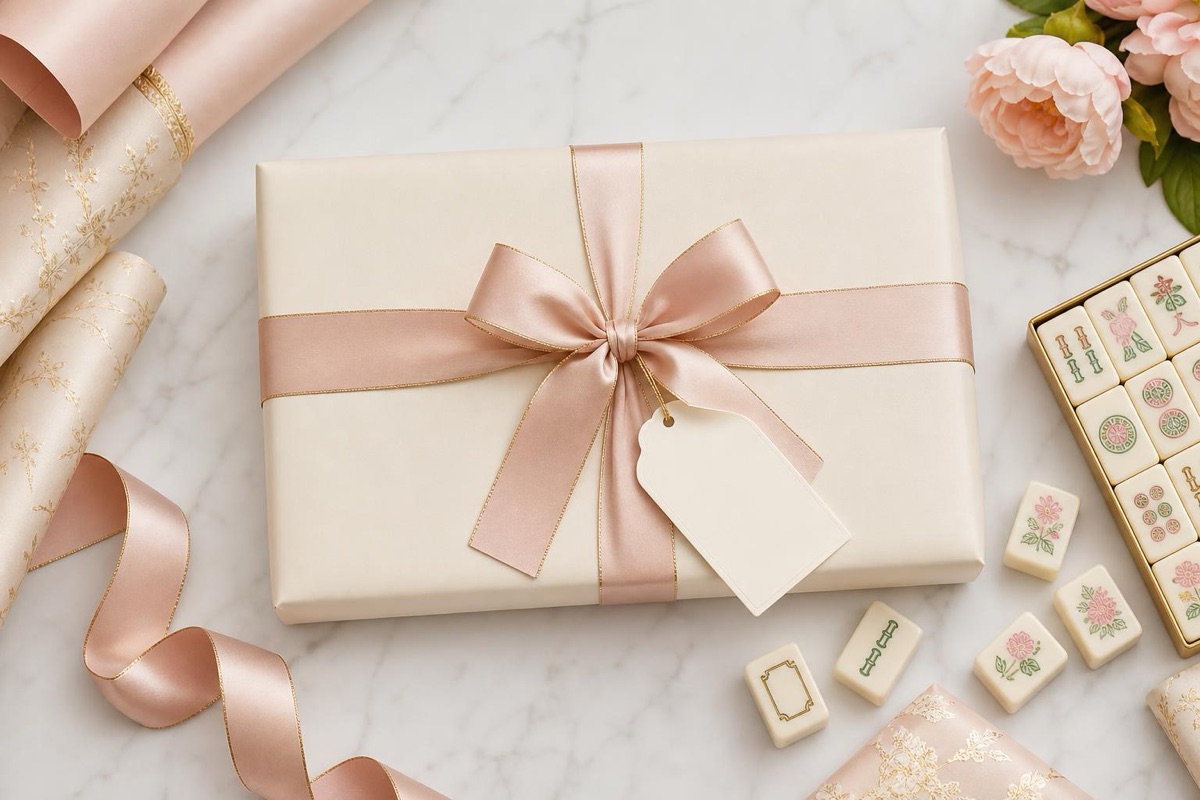
- Wholesale marketplaces such as Faire connect independent brands with boutique and gift retailers.
- American Mahjong sets sell well in gift shops, home stores and boutiques because they are giftable, visual and tied to social play.
- Before you set prices, read the current terms in your brand account:
On this page
- Key takeaways
- Why Mahjong suits boutique wholesale
- Step 1: Check the current platform terms
- Step 2: Build your price from cost to retail
- Step 3: Make the packaging retail-ready
- Step 4: Set order sizes small shops can accept
- Step 5: Write listings for retail buyers
- Step 6: Plan inventory for reorders
- Wholesale marketplace readiness table
- Common mistakes
- FAQ
- Next step
- Buyer checklist
- Production notes
- Related buyer guides
Key takeaways
- Price for three parties: your cost, the retailer's margin and the marketplace's fee.
- Packaging must be retail-ready. Stores put the box on the shelf as it arrives.
- Order sizes should suit small shops. A boutique may want a few sets, not a carton of fifty.
- Listings sell to buyers, not players. Retailers want specs, photos and selling points.
- Plan inventory for reorders. Running out after a store's first sell-through loses the account.
Why Mahjong suits boutique wholesale
American Mahjong sets sell well in gift shops, home stores and boutiques because they are giftable, visual and tied to social play. Stores also buy accessories such as mats, bags and racks as add-ons. Our boutique retailer's guide to wholesale Mahjong explains why stores carry the category.
Step 1: Check the current platform terms
Before you set prices, read the current terms in your brand account:
- Commission or fee structure, including any different rates for orders the brand brings to the platform
- Payment timing to the brand
- Any minimum order rules you can set
- Shipping requirements and timelines
- Return or damage policies for retailers
Write these down with the date you checked them. They feed directly into your price.
Step 2: Build your price from cost to retail
Work through the price ladder for every SKU:
- Landed cost per set: product, packaging, freight, duties and receiving. See US landed cost.
- Wholesale price: what the retailer pays you.
- Marketplace fee: deducted from your wholesale revenue.
- Fulfillment cost: picking, packing and shipping to the store, if you pay it.
- Suggested retail price (MSRP): what the store charges shoppers.
Check that wholesale revenue minus fees and fulfillment still leaves your margin. Many gift retailers expect to roughly double the wholesale price at retail; confirm what is normal in your category. Our retail pricing guide shows the formulas.
Step 3: Make the packaging retail-ready
A Mahjong set on a boutique shelf needs:
- A box that looks finished, with the brand, product name and key features
- A barcode if the store uses scanning
- Country of origin marking where required. See import documents
- An insert that holds tiles and accessories in place
- Outer cartons strong enough for parcel shipping to stores
The private label packaging checklist covers the details.
Step 4: Set order sizes small shops can accept
Boutiques often test a new brand with a small first order. Consider:
- Selling sets individually or in small case packs
- Offering accessories (mats, bags, racks) as add-ons
- A starter assortment: one or two sets plus accessories
- Clear case-pack quantities so shipments stay simple
Step 5: Write listings for retail buyers
Retail buyers decide quickly. Each listing should include:
- Clear photos: full set, close-up of tiles, rack setup, packaging
- Tile count and what the extras are; see tile count explained
- Tile material and size
- What is in the box
- Box dimensions and weight
- MSRP and margin
- Selling points for shoppers: gift-ready, beginner-friendly, design story
Step 6: Plan inventory for reorders
Boutiques reorder what sells. Make sure you can:
- Ship reorders quickly from stock
- Keep colorways available long enough for stores to reorder
- Reproduce the same product on your next production run. See reorder consistency
Wholesale marketplace readiness table
| Area | Ready when |
|---|---|
| Pricing | Margin holds after fees, fulfillment and retailer margin |
| Packaging | Retail-ready box, barcode, origin marking, protective insert |
| Order sizes | Small first orders and clear case packs |
| Listings | Photos, specs, contents, MSRP and selling points |
| Inventory | Stock for first orders and reorders |
| Service | Plan for damaged or missing tiles reported by stores |
Common mistakes
- Setting wholesale price without counting marketplace fees
- Packaging designed for direct shipping, not store shelves
- Large minimum quantities that small shops will not accept
- Listings with no tile count or contents
- Running out of stock after a successful first round
FAQ
What wholesale price should I set for a Mahjong set?
Start from landed cost, add your margin, and check the result after marketplace fees and the retailer's expected markup.
Do I need special packaging for wholesale?
Yes. Stores sell the box as it arrives, so it must look finished, protect the set and carry required labeling.
Should I sell accessories on wholesale marketplaces?
Yes, often. Mats, bags and racks give stores add-on sales.
Where do I find current marketplace fees and terms?
In your brand account and the platform's official help pages. Confirm them before pricing.
Next step
Planning a wholesale line? Send Lucky Mahjong your target retail price, quantities, colorways and packaging needs. We will help you plan sets and retail-ready packaging that fit wholesale channels.
Explore private label options →
Buyer checklist
- Define the first buyer, sales channel and collection scope.
- Budget samples, artwork, inventory, packaging and delivery separately.
- Record sample approval, launch timing and reorder version control.
Production notes
Launch examples are planning guidance, not sales forecasts or fixed commercial terms. Confirm the product scope and approval milestones before making commitments.
Continue your project planning
For a project review, see Private label American Mahjong. The cluster overview connects this decision with the rest of the sourcing process.
Building your private label collection?
Send quantity, tile count, target dimensions, artwork status, accessories, packaging, destination and launch date. These details help define a comparable quotation and sample scope.
Discuss a private label project