
Direct answer
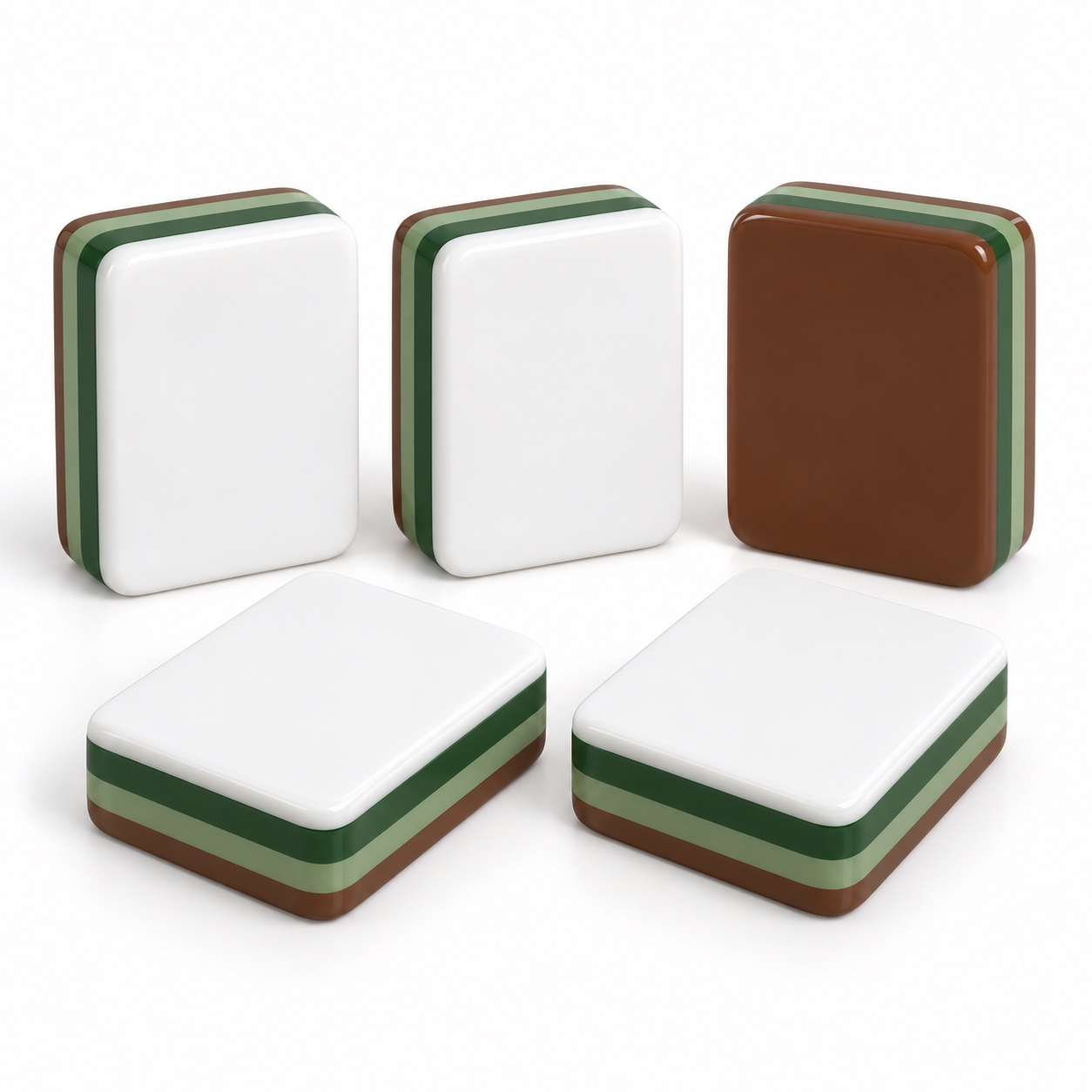
Mahjong buyers want to see the tiles clearly, understand what is in the box and imagine the set on their table. A strong photo set includes a clean full-set shot, close-ups of tile faces and jokers, the tile layers or edges, racks with tiles, the packaging, a scale reference and one or two lifestyle images. Shoot the actual production product, keep lighting and backgrounds consistent, and use the same set of images across your website, marketplaces and line sheet.
Key takeaways
- Mahjong buyers want to see the tiles clearly, understand what is in the box and imagine the set on their table.
- Renderings help before samples exist, but use real photos for main product images once you have production samples.
- Enough to show the set, close-ups, contents, packaging and scale.
On this page
Key takeaways
- Show the tiles clearly first. Customers buy the tile design.
- Prove what is in the box with a contents shot.
- Show scale so tile size is understood.
- Use real production samples, not digital mockups, for main images.
- Keep a consistent style across all products.
Shot list
| Shot | Purpose |
|---|---|
| Full set laid out | Shows the whole product |
| Tile face close-up | Shows artwork and marking quality |
| Jokers and flowers | Shows special designs |
| Tile side or edge | Shows layers and thickness |
| Racks with tiles | Shows how the set looks in play |
| Contents flat lay | Proves what is included |
| Packaging closed and open | Shows gift appeal |
| Scale shot | Tile in a hand or next to a familiar object |
| Lifestyle | The set on a styled table |
Lighting and background
- Use soft, even light to avoid glare on glossy acrylic.
- Use a plain light background for main images.
- Photograph clear or translucent tiles with extra care; see clear vs translucent vs opaque acrylic.
- Keep color accurate; compare with the physical set.
Accuracy
Photos should match what customers receive. Avoid showing accessories that are not included, or label them clearly as sold separately. Mismatched photos cause returns; see DTC fulfillment and returns.
Rights
Use your own photos or images you have rights to. Do not use another brand's product photos.
Checklist
- [ ] All shots on the list taken from a production sample
- [ ] Consistent lighting and background
- [ ] Colors checked against the real set
- [ ] Contents shot matches the product listing
- [ ] Images sized for website, marketplaces and line sheet
FAQ
Can I use renderings instead of photos?
Renderings help before samples exist, but use real photos for main product images once you have production samples.
How many photos does a listing need?
Enough to show the set, close-ups, contents, packaging and scale. Check each marketplace's limits.
Why do acrylic tiles look different in photos?
Glossy and translucent materials reflect light. Use soft lighting and compare colors with the real set.
Should lifestyle photos be the first image?
Usually the first image should show the product clearly; lifestyle images come after.
Next step
When your Lucky Mahjong sample is approved, plan your photo shoot with this list. We can share production photos of your sets for reference.
Explore private label options →
Buyer checklist
- Define the first buyer, sales channel and collection scope.
- Budget samples, artwork, inventory, packaging and delivery separately.
- Record sample approval, launch timing and reorder version control.
Production notes
Launch examples are planning guidance, not sales forecasts or fixed commercial terms. Confirm the product scope and approval milestones before making commitments.
Continue your project planning
For a project review, see Private label American Mahjong. The cluster overview connects this decision with the rest of the sourcing process.
Building your private label collection?
Send quantity, tile count, target dimensions, artwork status, accessories, packaging, destination and launch date. These details help define a comparable quotation and sample scope.
Discuss a private label project