
American Mahjong is becoming more visible in clubs, lessons, social events, gift retail, and lifestyle content. More buyers now discover the game through friends, local groups, boutique product drops, and social media instead of only through established player circles.
That shift matters because Mahjong is not only a product category. It is a recurring social ritual that creates demand for sets, mats, racks, pushers, cases, packaging, and private label accessories.
Why Mahjong Clubs Are Growing
Social Connection
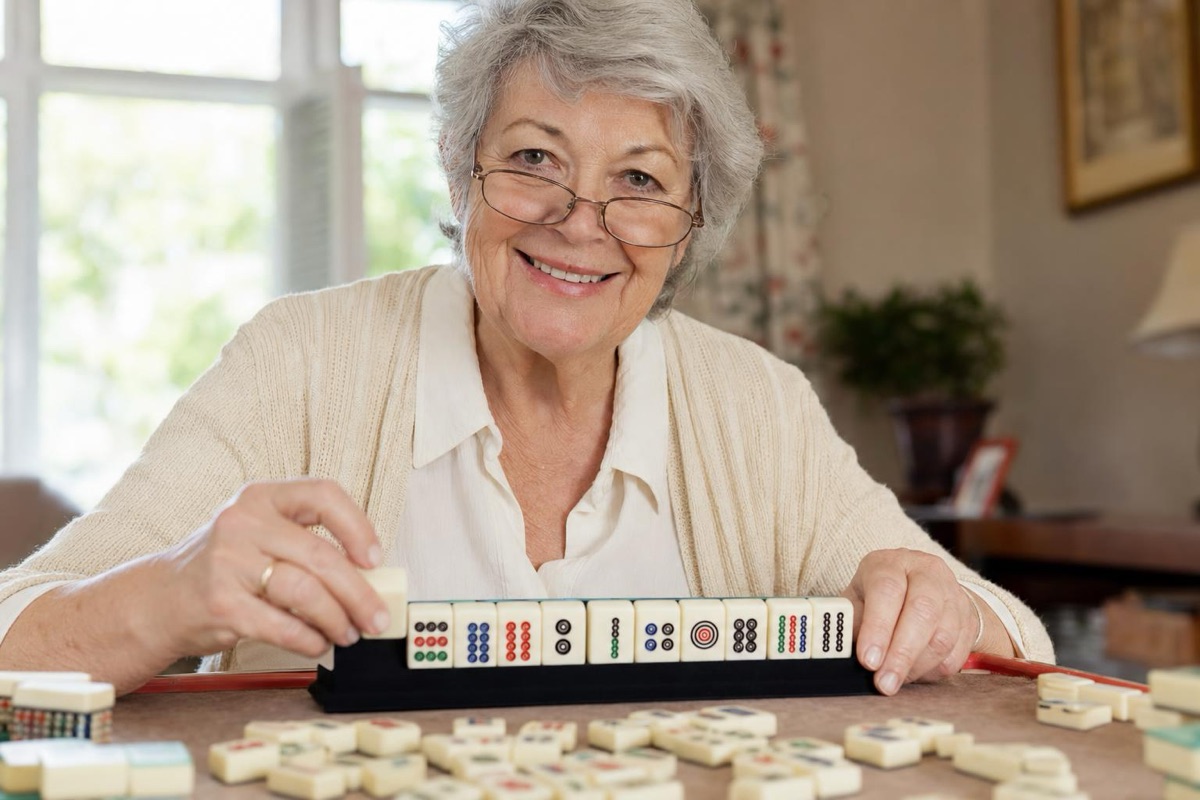
Mahjong gives players a reason to sit together, talk, strategize, and share a tactile screen-free activity. A session feels like a real gathering, not just a quick game.
Intergenerational Appeal
Mahjong often bridges generations. Experienced players teach new players, clubs create a natural beginner path, and younger players increasingly discover the game through visually distinctive sets and social gatherings.
Social Media Visibility
Colorful acrylic tile sets, custom mats, themed jokers, and styled tables are highly visual. That helps Mahjong move into gift, event, and lifestyle conversations beyond long-time player communities.
Community Building
Mahjong clubs form in homes, offices, community spaces, clubs, restaurants, and retail venues. A group can start with four players, a set, and a table, then expand into multiple tables and repeat events.
The Club Economy: Who Is Buying?
| Buyer Type | What They Typically Need | Why It Matters |
|---|---|---|
| Club organizers | Multiple sets, mats, racks, pushers, storage, teaching materials | They buy for repeat use and often reorder |
| Club members | Personal sets, travel sets, custom mats, gift-ready packaging | They convert from community play into personal ownership |
| Venues and businesses | Event-ready sets, durable accessories, quote support for several tables | They need dependable group-use configurations |
| Boutique retailers | Club-adjacent gifting, starter sets, accessories, visually distinctive product lines | They benefit from the broader social trend around Mahjong |
What Club Organizers Usually Prioritize
- Readable tiles for mixed-age players and teaching sessions.
- Durable materials that tolerate repeat handling.
- Racks, pushers, and mats that create a complete table setup.
- Storage and carrying formats for transport between sessions.
- Simple reorder paths for adding more tables later.
Rubber-backed mats, durable acrylic options, and melamine sets can all make sense depending on budget, frequency of play, and the desired presentation level.
What This Means for Brands and Retailers
Education Content Drives Discovery
New players search for how to play, what comes in a set, how the annual card works, and what accessories they need before they search for a manufacturer. Beginner guides, club setup checklists, and tile-count explainers can support both AI visibility and buyer confidence.
Design and Packaging Matter
Players do not only want functional tiles. Many buyers care about color direction, jokers, mats, packaging, and how the set looks in a home, club, or gift context. Coordinated accessories create a stronger retail story than disconnected components.
Complete Collections Reduce Friction
Club members buying their first set often want a clear component list and a complete product path. The easier it is to understand what is included, the easier it is to convert beginner interest into an order.
How Brands Can Respond to the Club Movement
| Product Direction | Best Use | Typical Components |
|---|---|---|
| Club sets | Repeat weekly play | Durable tiles, mats, racks, pushers, storage |
| Teaching sets | Lessons and beginner sessions | Readable markings, teaching references, clear accessories |
| Event sets | Corporate events, retreats, bridal showers, pop-ups | Themed colors, branded mats, gift-ready presentation |
| Private label club sets | Branding and community identity | Logo jokers, custom tile backs, coordinated packaging |
Prepare Better Group Quote Paths
Club organizers rarely think in product-page language. A good inquiry path should ask for table count, destination country, durability expectations, storage needs, and whether the buyer wants standard products or custom branding.
That makes it easier to recommend the right material, configuration, and accessory bundle instead of forcing a club buyer into a retail-style one-set decision flow.
What to Track Before Making Inventory Decisions
- Wholesale inquiries from clubs, instructors, and event organizers.
- Repeat orders for mats, pushers, and replacement-ready accessories.
- Search demand around beginner guides, club checklists, and hosting content.
- Local event participation and community feedback.
- Conversion patterns between educational content and quote requests.
Market enthusiasm is useful context, but it should not replace buyer-specific demand checks before inventory commitments.
FAQ
How many people do I need to start a Mahjong club?
You need four players for one table. A club can begin with one table and grow as more players join. Each table usually needs one set, racks, pushers, and ideally a mat, with storage and teaching materials added as the group becomes more organized.
How much does it cost to start a Mahjong club?
The main cost is usually sets, racks, pushers, mats, storage, and teaching materials. Final cost depends on material, configuration, accessories, packaging, quantity, and destination country, so organizers should request a quote based on table count and durability requirements.
Where can I find a Mahjong club near me?
Search local community groups, meetup platforms, community centers, senior centers, game shops, and social media. Many clubs are informal and may not advertise broadly online. If no group exists yet, a four-player table is a practical starting point.
What should I look for when buying Mahjong sets for a club?
Prioritize readability, durability, accessory completeness, storage, and replacement planning. Compare melamine, acrylic, and mat choices based on frequency of play, transport needs, and budget.
Can I get custom Mahjong sets for my club?
Yes. Lucky Mahjong can support custom Mahjong sets with club logos on jokers, custom tile-back colors, branded mats, and coordinated accessories. MOQ and pricing depend on customization scope and quantity and should be confirmed during quotation.
Is American Mahjong different from Chinese Mahjong?
Yes. American Mahjong commonly uses jokers, racks, pushers, English letters, Arabic numerals, an annual card, and the Charleston exchange. Chinese Mahjong uses different tile counts and regional rule systems.
Next Steps for Club Buyers
If you are planning lessons, recurring tables, or a branded club setup, prepare your table count, storage requirements, and whether you want stock products or custom identity details. That makes the quotation path much faster and more accurate.