
Direct answer
If you sell your Mahjong sets through retailers or marketplaces, you will usually need a barcode on the packaging. In the United States, UPC barcodes come from GS1 US, which licenses company prefixes and individual product numbers (GTINs). Each distinct product you sell, such as each colorway or each set configuration, needs its own number. Send the barcode file to your supplier before packaging artwork is finalized so it is printed in the right place and size.
Key takeaways
- If you sell your Mahjong sets through retailers or marketplaces, you will usually need a barcode on the packaging.
- A UPC-A barcode encodes a 12-digit Global Trade Item Number (GTIN-12).
- Assign a separate number to each product a shopper could buy:
On this page
Key takeaways
- Barcodes identify products, not brands. Each sellable variant needs its own GTIN.
- GS1 US is the official source for UPC numbers in the United States.
- Retailers and marketplaces may check numbers against the GS1 database. Confirm their current rules.
- Place the barcode early in packaging design, not at the last minute.
- Keep a SKU list linking each GTIN to its specification.
What a UPC is
A UPC-A barcode encodes a 12-digit Global Trade Item Number (GTIN-12). Part of the number identifies your company (the company prefix licensed from GS1), and part identifies the specific product. The final digit is a check digit.
How many barcodes you need
Assign a separate number to each product a shopper could buy:
| Product | Needs its own GTIN? |
|---|---|
| Each colorway of a set | Yes |
| Same set with different tile counts | Yes |
| A gift bundle with a mat | Yes |
| Accessories sold separately (racks, mat, bag) | Yes, each |
| Replacement tile packs | Yes, if sold as products |
Keep a SKU list that connects each GTIN to its specification and packaging version. See reorder consistency.
Getting numbers
Buy numbers or a company prefix from GS1 US, the U.S. member organization of GS1. Check GS1 US for current options and fees. Some sellers buy cheap numbers from resellers, but major retailers and marketplaces may validate barcodes against GS1 records, so check each channel's current requirements before you buy.
Barcodes on packaging
- Place the barcode on a flat surface, often the back or bottom of the box.
- Keep the quiet zone (blank space) around it.
- Print it at a size scanners can read; do not shrink it to fit.
- Print dark bars on a light background.
- Make sure magnetic flaps, shrink wrap or labels do not cover it.
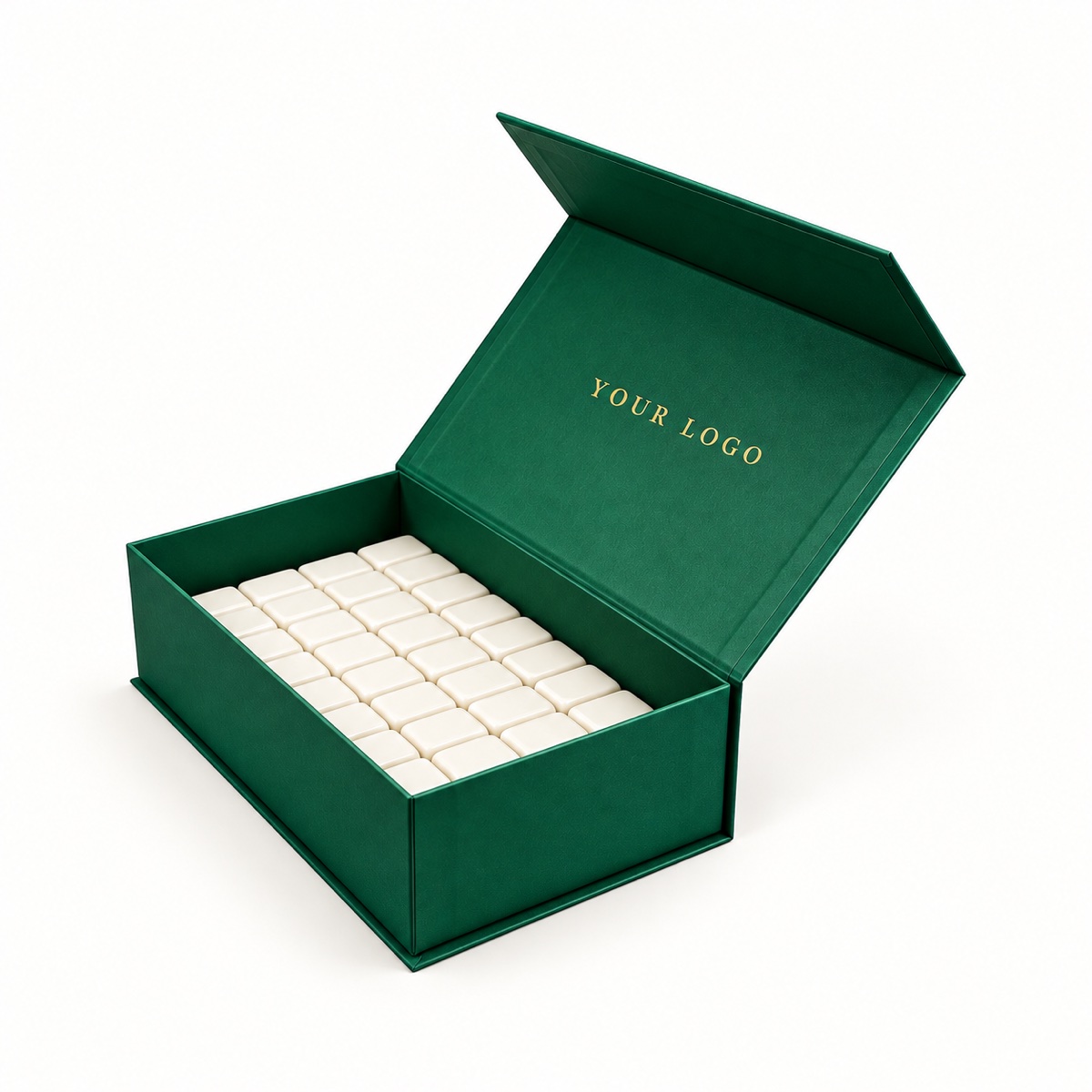
Send the barcode file to your supplier with the packaging artwork. See the private label packaging checklist.
Barcodes on cartons
Some retailers and 3PLs also want carton labels with case-level codes or SKU labels. Ask your channels and 3PL for their labeling requirements before production.
Checklist
- [ ] GTIN assigned to every sellable variant
- [ ] Numbers from GS1 US or an approved source for your channels
- [ ] SKU list linking GTIN, specification and packaging version
- [ ] Barcode placed, sized and tested on the packaging proof
- [ ] Carton labeling requirements confirmed with channels and 3PL
FAQ
Do I need a UPC to sell Mahjong sets?
For most retailers and marketplaces, yes. Selling only on your own website may not require one, but it helps with inventory.
Can I reuse one UPC for different colors?
No. Each sellable variant should have its own number.
Who prints the barcode?
Your supplier prints it on the packaging from the file you provide.
Where can I check if a barcode scans?
Test the printed proof with a scanner or app before approving packaging.
Next step
Send Lucky Mahjong your barcode files with your packaging artwork. We will place them on the dieline and confirm placement on the packaging proof.
Explore private label options →
Buyer checklist
- List tiles, racks, pushers and every accessory in the packing specification.
- Check insert and accessory fit with the physical sample.
- Confirm labels, carton configuration and destination requirements in writing.
Production notes
Packaging guidance does not establish a tested protection level or destination compliance. Confirm the packaging specification and any required validation for the project.
Continue your project planning
For a project review, see Private label American Mahjong. The cluster overview connects this decision with the rest of the sourcing process.
Building your private label collection?
Send quantity, tile count, target dimensions, artwork status, accessories, packaging, destination and launch date. These details help define a comparable quotation and sample scope.
Discuss a Custom Mahjong Project