
Direct answer
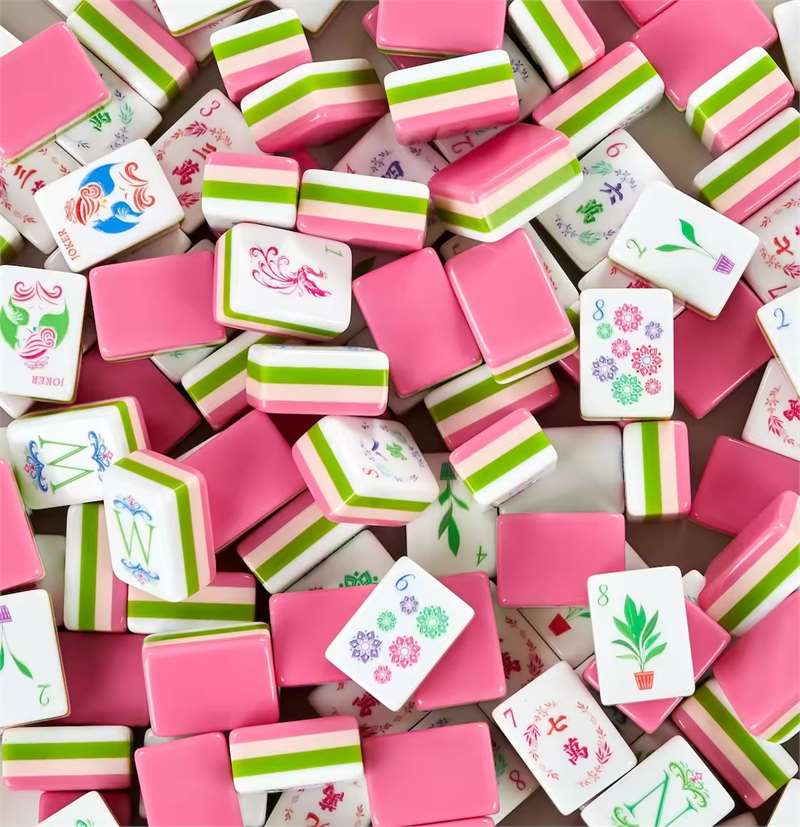
American Mahjong's visual history stretches from the carved and cast sets of the early twentieth century through the Bakelite and Catalin era of the 1940s and 1950s to the polished acrylic collections popular today.
Key takeaways
- For buyers, the choice is less about which era is objectively better and more about what kind of ownership experience matters most: historical character, gameplay consistency, display value, or long-term practicality.
- Vintage Bakelite and Catalin sets are prized for three reasons: material character, tactile presence, and individuality.
- That individuality also creates the emotional appeal modern production cannot reproduce cleanly.
On this page
- Two Eras, One Game
- How Vintage and Modern Sets Differ
- Vintage Sets: Why Collectors Still Care
- Modern Sets: Why They Win on Playability
- Where Each Era Wins
- What First-Time Buyers Should Do
- Can I use a vintage 1950s set with the current NMJL card?
- How do collectors authenticate Bakelite or Catalin tiles?
- Should I buy vintage or modern as my first set?
- Sources & References
- Buyer checklist
- Production notes
- Related buyer guides
Two Eras, One Game
American Mahjong's visual history stretches from the carved and cast sets of the early twentieth century through the Bakelite and Catalin era of the 1940s and 1950s to the polished acrylic collections popular today. The rules framework remained stable under long-running NMJL governance, but the tiles themselves evolved in material, finish, and design intent.
For buyers, the choice is less about which era is objectively better and more about what kind of ownership experience matters most: historical character, gameplay consistency, display value, or long-term practicality.
How Vintage and Modern Sets Differ
| Category | Vintage 1940s-1960s | Modern 2020s-2026 |
|---|---|---|
| Core materials | Bakelite, Catalin, and early plastic blends with warmer color aging and heavier tactile feel. | PMMA acrylic and modern engineered plastics with stable color, low yellowing risk, and tighter production control. |
| Craftsmanship | Hand-finished details, paint variation, and small inconsistencies that collectors often value. | CNC and laser-led precision with more uniform sizing, edge quality, and engraving depth. |
| Design language | Decorative floral art, traditional iconography, and visibly individual tile personalities. | Minimal palettes, cleaner typography, coordinated accessories, and stronger lifestyle branding. |
| Best use | Collection, display, special-occasion play, and nostalgia-driven ownership. | Weekly gameplay, gifting, retail programs, and buyers who want consistent replacements and accessories. |
Vintage Sets: Why Collectors Still Care
Vintage Bakelite and Catalin sets are prized for three reasons: material character, tactile presence, and individuality. Their colors age into deeper tones, their weight feels substantial in hand, and minor variations between tiles signal handwork rather than manufacturing failure.
That individuality also creates the emotional appeal modern production cannot reproduce cleanly. A collector buying a 1950s set is buying tableware, history, and visual culture at the same time.
Vintage value depends heavily on completeness, condition, originality, and whether damaged or missing tiles can be matched. Even attractive sets lose practical value quickly when replacements are impossible to source.
Modern Sets: Why They Win on Playability
Modern premium acrylic sets are designed for use, not caution. Color consistency across the full tile count, stable sizing, and clear engraving all reduce friction during wall building and reading. Modern accessories also align better with how players shop today: matched racks, pushers, cards, bags, and gift packaging come as part of a coherent product line.
For retailers and first-time buyers, that production consistency matters more than collector romance. Modern sets are easier to reorder, easier to inspect, and easier to position for gifting or regular hosting.
Where Each Era Wins
Durability: Modern PMMA acrylic is the safer default for repeat play, travel, and long-term stability. Vintage Bakelite can remain strong for decades, but condition varies by storage and prior use.
Aesthetic character: Vintage sets carry more personality. Patina, color drift, and hand-finished details create warmth modern sets usually replace with precision.
Investment potential: Complete vintage sets in excellent condition often hold collector value better. Modern collectibility tends to appear later and usually depends on limited editions or strong brand identity.
Gameplay: Modern sets are usually easier to play with. Dimensional consistency, cleaner face markings, and reliable accessory fit make them better table tools.
What First-Time Buyers Should Do
If this is your first American Mahjong set, start modern. Newer sets are easier to learn on because the tile faces are clearer, the wall builds more cleanly, and there is less anxiety about accidental wear. Vintage makes more sense once you already know what tile weight, size, and styling you enjoy.
That does not make vintage the wrong choice. It makes vintage a more intentional choice. Buyers who want a display-worthy second set or a collectible conversation piece often find far more satisfaction in a verified mid-century set than in another mass-produced modern release.
Can I use a vintage 1950s set with the current NMJL card?
Usually yes, but only if the set includes the right tile composition for current American Mahjong play. Verify joker count, tile count, and legibility before assuming a collectible set is a practical weekly-play set.
How do collectors authenticate Bakelite or Catalin tiles?
Authentication usually combines weight, smell, finish, and UV-response checks with a close look at wear patterns. For high-value sets, informal tests are not enough on their own; specialist verification is the safer route.
Should I buy vintage or modern as my first set?
Choose modern first if you want reliable gameplay and simpler maintenance. Choose vintage first only if collectibility and period character matter more to you than dimensional consistency and easy replacement support.
Sources & References
Lucky Mahjong develops premium American Mahjong sets for gifting, private label, and boutique wholesale programs with consistent engraving, accessory matching, and export-ready packaging.
Request a Wholesale QuoteBuyer checklist
- Define the same tile manifest, dimensions and material for every quote.
- Separate setup, samples, accessories, packaging and freight costs.
- Confirm what changes when quantity or colorway count changes.
Production notes
Cost and MOQ guidance describes quote drivers. A supplier must confirm quantities, pricing, timing and delivery terms for the actual project.
Continue your project planning
For a project review, see Custom American Mahjong manufacturing. The cluster overview connects this decision with the rest of the sourcing process.
Planning a custom set?
Send quantity, tile count, target dimensions, artwork status, accessories, packaging, destination and launch date. These details help define a comparable quotation and sample scope.
Discuss a custom project