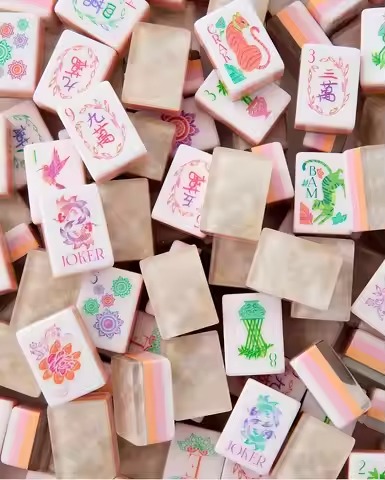
Quick Answer
Seasonal limited edition Mahjong sets drive demand when they pair a strong color story with occasion-specific accessories, real scarcity, and a launch calendar that reaches retailers before the season begins. A winter or summer release should feel like a different lifestyle context, not just the same set in a different box.
Why Seasonal Limited Editions Drive Demand
The luxury consumer goods playbook is clear: scarcity creates desire. In the Mahjong set market, seasonal limited editions serve two jobs at once. They motivate repeat purchases from collectors who already own an everyday set, and they create urgency that helps hesitant first-time buyers convert sooner.
The broader personalized gifts market, projected at USD 34.03 billion in 2026, shows that consumers increasingly respond to products tied to occasions, seasons, and emotional moments. A summer Mahjong set designed for Hamptons-style entertaining is not competing directly with a buyer's existing set. It is positioned for a different setting, mood, and social ritual.
The Mahjong set market also supports this approach. North American luxury demand and the growth of club-based play create a collector-friendly environment where seasonal drops can keep a brand commercially active between larger launches.
Summer Collection: Coastal Luxury
Summer Mahjong sets should pull from the visual language of coastal entertaining: light, bright, social, and visibly at home near daylight, patios, pool houses, and beach clubs.
Color Direction
Ocean blues, seafoam greens, coral pinks, sandy neutrals, and sun-bleached whites give summer collections the right atmosphere. Translucent acrylic works especially well here because it catches strong natural light and looks more dimensional outdoors.
Accessories
Summer accessories should be moisture-aware and easy to maintain. Water-resistant canvas cases, acrylic or stainless pushers, and quick-dry microfiber cloths make more sense than untreated wood details in humid or poolside environments.
Marketing Angle
Position the summer set as a vacation object: the set that travels to the Hamptons, the Cape, the Jersey Shore, or a resort weekend. The visual content should reinforce that context with porches, outdoor tables, and daylight social settings.
Winter Collection: Lodge and Fireside
Winter collections should move in the opposite direction: intimate, warm, layered, and giftable.
Color Direction
Deep jewel tones such as burgundy, forest green, and midnight blue pair well with metallic accents and dark neutrals. Satin or matte surfaces often feel richer than a mirror-gloss finish in winter storytelling.
Accessories
Leather-wrapped pushers, velvet-lined cases, brass hardware, and matching scoring accessories create the right tone. A winter edition should feel like it belongs in a library, ski lodge, or holiday hosting setting.
Marketing Angle
Frame the set as a holiday entertaining centerpiece and a premium gift. The mood should be firelight, layered textures, and indoor hosting rather than bright seasonal graphics.
Spring and Fall Transitional Releases
Spring releases can lean into floral palettes, bridal gifting, and Mother's Day positioning. Fall collections work better with terracotta, olive, amber, and rust, paired with waxed canvas or suede-inspired details for Thanksgiving and pre-holiday hosting.
These transitional drops often work best as smaller capsule editions. They fill the calendar without requiring the full scale of a hero summer or winter launch.
The Limited Edition Business Model
Production Volume
Scarcity needs to be real. A limited edition that runs close to standard colorway volume loses the urgency that makes the concept commercially useful. For many brands, a seasonal run should stay around 20 to 30 percent of a standard evergreen program.
Lead Time Management
Seasonal products succeed or fail on launch timing. A summer release should be retail-ready by April so buyers have time to merchandise for May and June. A winter release should generally ship by September for October and November demand. That means the concept work happens months earlier.
Pricing Strategy
Limited editions often support a 15 to 25 percent premium, but only when the upgrade is visible in the full package. Better accessories, stronger packaging, and a more cohesive presentation are easier to defend than a simple recolor in the same stock box.
Planning a seasonal Mahjong collection?
Lucky Mahjong supports custom American Mahjong projects with material options, accessory matching, packaging guidance, and production timing support for boutique and private label buyers.
Request a QuoteThree Questions About Seasonal Mahjong Editions
Do seasonal colorways actually resell at a premium after they sell out?
Sometimes, yes. The sets that hold value usually combine a strong visual identity, real scarcity, coordinated accessories, and a brand that buyers already recognize. A weak theme with no real production limit rarely produces aftermarket demand.
How small can a limited edition production run be while still being economically viable?
It depends on development cost, but many boutique programs become more comfortable at roughly 100 to 200 sets. Premium projects can still work around 50 sets if the design and price support the setup cost. Below that, the economics tighten quickly unless the brand already has collector demand.
Should seasonal sets use the same tile design as the standard collection or a different one?
In most cases, the best move is to keep the core tile design and change the colorway, accessories, and packaging. That preserves brand recognition, simplifies manufacturing, and keeps the play experience familiar for repeat buyers.