Quick answer
Choose Mahjong gifts by matching the product to the recipient, then verify the component list, materials, presentation, and sample. A beautiful box is valuable only when the contents and approval details are equally clear.
Build the assortment around the recipient
A gift assortment is easier to buy and sell when each proposed item has a clear use. Start with who will receive it, where it will be played, and whether the buyer needs a complete set, a complementary accessory, or a coordinated presentation package.
New players and teaching groups
For new players, prioritize readable markings, practical storage, and a clearly stated component list. Ask the supplier to distinguish included items from options. One tile count, material, or size does not suit every group, so compare the actual intended use before choosing a configuration.
Frequent players and hosts
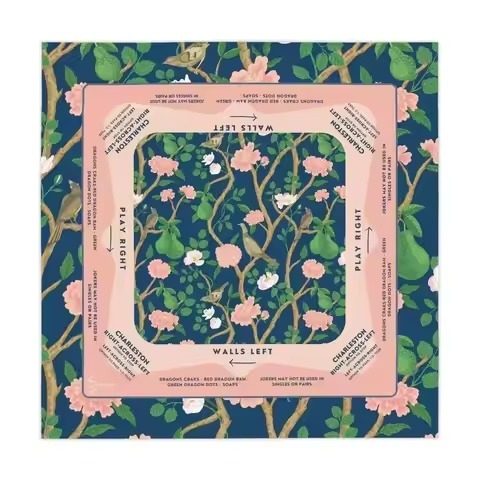
Frequent players and hosts may value coordinated tiles, racks, pushers, mats, bags, or insert cards. Separate functional requirements from decorative upgrades in the quotation so proposals can be compared on the same basis.
Boutique and corporate gifting
For a boutique or corporate gift, review the color direction, artwork ownership, packaging scope, personalization request, and sample approval plan before describing the set as premium. Presentation should reinforce the use case without replacing specification review.
A retail buying checklist
Use this list as a project brief before comparing suppliers or approving a private-label assortment:
- Recipient and use case: beginner lesson, regular home play, host gift, boutique collection, or corporate program.
- Component manifest: tiles, racks, pushers, dice, storage, mats, bags, inserts, and any spares or options.
- Declared materials and finish, supported by the physical sample where relevant.
- Artwork and marking method, including the file and approval requirements.
- Packaging scope: retail box, internal protection, labels, inserts, and shipping presentation.
- Sample requirements, documented quality acceptance criteria, and shipping terms.
- Commercial terms to confirm in writing during quotation, including price, quantity, payment, and delivery estimates.
For deeper qualification, review the private-label packaging guide and compare a physical sample before finalizing a range.
Use a sample to resolve the important questions
A sample lets a retailer assess what a product description cannot settle: whether the markings are easy to distinguish, whether accessories work together, how the set fits its storage, and whether the packaging supports the intended price position. Record comments against the same manifest used in the quote, then request revisions as specific, traceable changes.
When personalization is in scope, treat its availability as a project question. Confirm artwork formats, marking options, ownership terms, approval steps, and the sample policy before making a capability claim to a customer.
Frequently asked questions
What makes a Mahjong gift useful?
The set or accessory should fit how the recipient plays and should arrive with a clear, verifiable component list. Presentation matters when the purchase is a gift, but it should not hide missing specifications.
Can a retailer add a logo or custom artwork?
Ask the supplier to confirm artwork formats, marking options, approval steps, and ownership terms for the proposed project. Do not promise a capability before confirmation.
Should gift buyers choose a premium material?
Compare the physical sample, finish, readability, handling, and packaging against the recipient and retail position. A higher price alone does not establish better fit.
Send the intended recipient, component scope, artwork, desired quantity, and sample review plan so the proposal can be itemized around your project.
Request a Wholesale Quote