
Quick Answer
Custom American Mahjong projects usually need about 8 to 15 weeks from order placement to delivery once sampling, manufacturing, and freight are included. For inventory that must arrive before the November-December holiday rush, most buyers should lock in production by July or August, and even earlier if the project needs custom samples or new artwork approval.
Key takeaways
- The American holiday gifting season creates the sharpest annual demand spike for premium Mahjong sets.
- If goods need to be in place by November 1, buyers usually need to place orders by July or August.
- Finalize design direction, set specifications, and packaging details.
On this page
The Calendar That Determines Holiday Revenue
The American holiday gifting season creates the sharpest annual demand spike for premium Mahjong sets. Buyers who plan inventory early can sell through during the highest-intent period. Buyers who wait too long often receive finished goods in January, after the retail window has already closed.
Lead time planning is not just a factory detail. It directly affects sell-through, margin protection, and whether a seasonal campaign lands when customers are ready to buy.
The Production Timeline
| Stage | Typical timing | What happens |
|---|---|---|
| Design and sampling | 2 to 4 weeks | Artwork review, sample production, and approval for new colorways, branded packaging, or custom tile systems. |
| Material sourcing | 1 to 2 weeks | Standard materials move faster. Premium PMMA acrylic in custom colors or Pantone-matched runs often need extra sourcing time. |
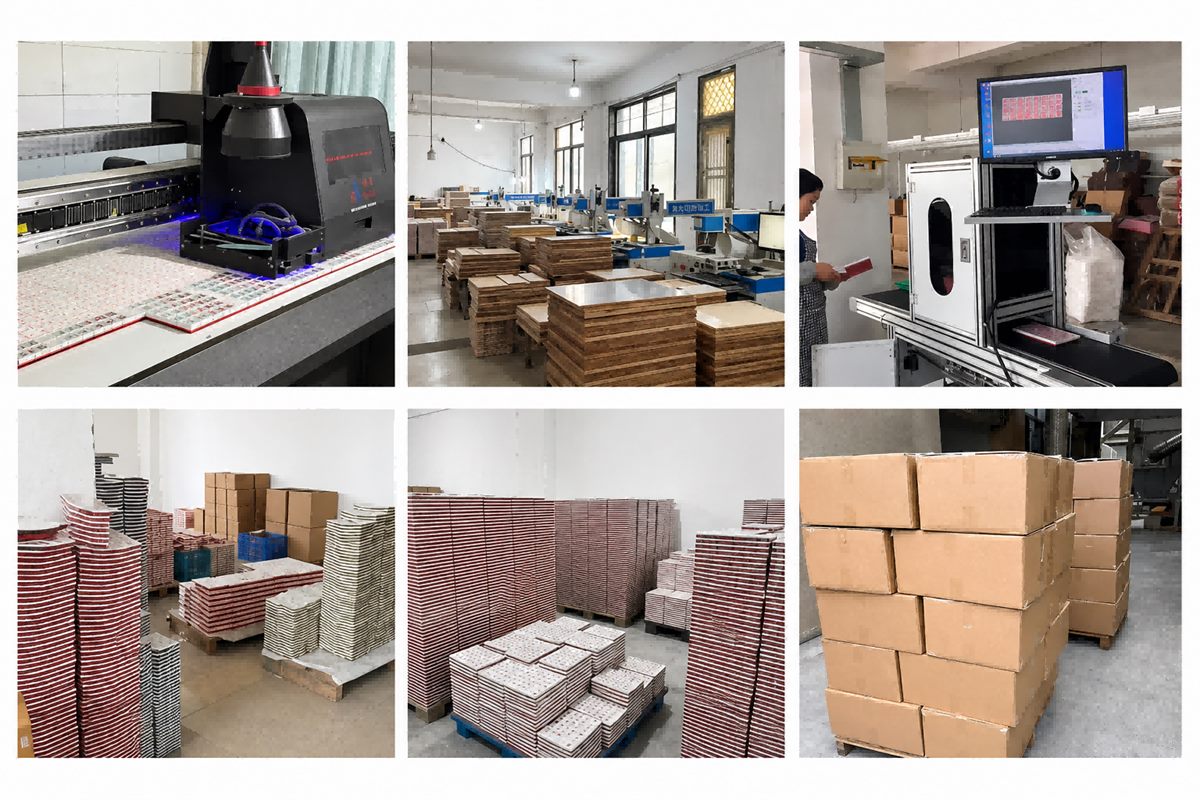
| Manufacturing | 3 to 5 weeks | Tile cutting or casting, engraving, color fill, polishing, accessory preparation, assembly, and QC. |
| Shipping | 1 week by air, 2 to 4 weeks by sea | Transit time depends on freight mode, destination port, customs handling, and seasonal congestion. |
| Total planning window | 8 to 15 weeks | A realistic end-to-end range for most custom projects from order to delivery. |
If goods need to be in place by November 1, buyers usually need to place orders by July or August. Projects that require custom sampling often need June approvals to stay comfortable.
The Holiday Planning Calendar
January to February
Review the prior season. Confirm which colorways, accessories, and packaging formats sold best, and decide whether new products are worth developing for the coming holiday cycle.
March to April
Finalize design direction, set specifications, and packaging details. This is the best period for sample requests and early technical review.
May to June
Approve samples and place production orders. Shipping method, warehouse timing, and fulfillment plans should already be discussed at this stage.
July to August
Production is typically underway. Buyers can prepare product photography, listing updates, email campaigns, and retail launch materials while the order is in progress.
September to October
Inventory should arrive, clear incoming inspection, and be positioned for retail shelves, e-commerce fulfillment, or pre-holiday preorders.
November to December
This is the peak demand window. The goal is not to still be waiting on the factory, but to already be selling.
Rush Orders: What Is Possible and What It Costs
Rush production is sometimes possible if the material is available and the order can be prioritized in the factory queue. That often means a manufacturing surcharge and a higher risk profile if the buyer tries to compress too many approval steps.
Air freight can shorten transit dramatically, but it changes landed cost. For a holiday-critical launch, the added freight expense may still be cheaper than missing the selling season entirely.
Send your quantity, customization scope, destination country, and target in-stock date. We will outline the safest sampling, production, and freight path for your schedule.
Request a Production TimelineThree Questions Buyers Ask About Lead Times
Can I place a standing annual order to avoid lead time pressure?
Yes. Some manufacturers can schedule annual volume in planned batches, which smooths production and reduces last-minute rush risk. The tradeoff is earlier capital commitment and firmer forecasting.
What happens if my shipment is delayed by port congestion or customs issues?
Build buffer time into the plan. Buyers who need holiday inventory should usually target arrival several weeks before the actual sales push, not days before. Some programs also split shipments between lower-cost ocean freight and smaller air-freight safety stock.
Should I order more than I expect to sell, or just enough?
For proven designs, modest over-ordering can be cheaper than losing sales to stockouts. For new concepts, it is safer to stay conservative and preserve a path for reorders once demand is confirmed.
Sources and Reference
External market context: Dataintelo Mahjong Set Market Report.
Buyer checklist
- Define the same tile manifest, dimensions and material for every quote.
- Separate setup, samples, accessories, packaging and freight costs.
- Confirm what changes when quantity or colorway count changes.
Production notes
Cost and MOQ guidance describes quote drivers. A supplier must confirm quantities, pricing, timing and delivery terms for the actual project.
Continue your project planning
For a project review, see Custom American Mahjong manufacturing. The cluster overview connects this decision with the rest of the sourcing process.
Planning a custom set?
Send quantity, tile count, target dimensions, artwork status, accessories, packaging, destination and launch date. These details help define a comparable quotation and sample scope.
Discuss a custom project