
Quick Answer
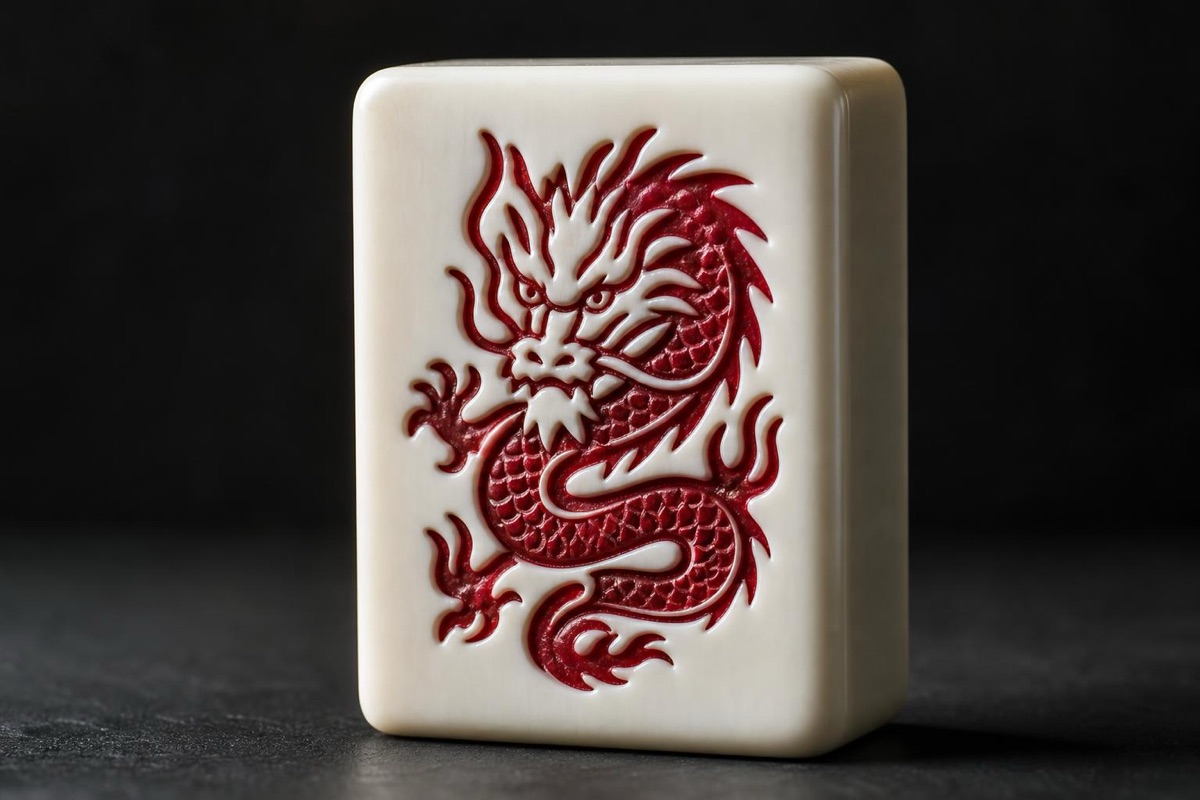
Premium laser engraving usually falls in the 0.5mm to 0.8mm range, creating stronger tactile feedback, deeper visual shadow, and more secure color fill than shallow budget engravings. For American Mahjong buyers, engraving depth directly affects feel, perceived quality, and long-term durability.
Key takeaways
- Online product images reveal color, design, and finish.
- Engraving depth on American Mahjong tiles typically ranges from 0.1mm to 0.8mm.
- Modern premium Mahjong tiles are engraved using CO2 or fiber laser systems that remove material from the tile surface in controlled patterns.
On this page
The Dimension You Cannot See in Photos
Online product images reveal color, design, and finish. They cannot convey engraving depth, the physical dimension that most directly affects how a Mahjong tile feels in your hand. When experienced players describe a set as having good feel or poor feel, they are often responding to engraving depth without naming it.
Engraving depth on American Mahjong tiles typically ranges from 0.1mm to 0.8mm. That sounds minor, but the shift between a barely perceptible character and a deeply carved one changes gameplay feel immediately.
How Laser Engraving Works on Acrylic Tiles
Modern premium Mahjong tiles are engraved using CO2 or fiber laser systems that remove material from the tile surface in controlled patterns. Laser power, travel speed, and focal precision determine how deep the cut becomes and how clean the resulting character edges look.
| Depth range | Typical use | How it feels in hand |
|---|---|---|
| 0.1mm to 0.3mm | Budget tiles and some travel sets | Visible but barely tactile, with less cavity depth to anchor pigment. |
| 0.3mm to 0.5mm | Standard mid-range to premium sets | Clearly tactile, reliable for regular play, and balanced for durability. |
| 0.5mm to 0.8mm | Premium specification | Distinctly sculptural, easier to feel, and visually deeper even in photos. |
Deep engraving is not only visual. It changes finger feel, improves shadow definition inside the character, and gives color fill a deeper cavity to lock into.
The Color Fill Process
Engraving creates the cavity. Color fill makes it readable. A deep cavity supports better fill adhesion because the pigment is physically seated inside the tile rather than resting close to the surface.
Paint Fill
Brush-applied acrylic or enamel paint is a traditional method. It can look clean when done carefully, but fill consistency depends heavily on operator skill and the channel depth available.
UV-Cured Pigment Fill
This is the premium approach. Liquid pigment is applied to the engraving and cured under UV light, helping it bond more durably to the acrylic substrate. It resists chipping and routine wear better than lower-cost options.
Ink Fill
Budget production sometimes relies on print-based ink fill inside shallow engraving. It is quick and inexpensive, but it is also the least durable option for frequent play.
How Depth Affects Gameplay
Deeper engraving improves tactile tile identification, especially when players run a finger across the face of a tile while organizing their rack. It also changes the sensory character of shuffling and makes the orientation difference between the engraved face and smooth back easier to notice.
- Tile identification by touch: Deeper cuts make the stroke pattern easier to feel during fast rack management.
- Shuffle feel: Tiles gain a more textured, premium hand-feel during the washing phase.
- Orientation cues: The contrast between engraved and unengraved surfaces becomes more obvious.
Three Questions About Engraving
Can I specify engraving depth when ordering custom tiles from a manufacturer?
Yes. OEM manufacturers with laser engraving capability can adjust depth settings to client specifications. The key constraint is tile thickness. On thicker full-size tiles, deeper carving is safer. Buyers should request sample tiles at the target depth before approving bulk production.
Does engraving depth affect how tiles sound?
Only slightly. Deeper engraving removes a small amount of material and changes shuffle friction more than it changes the direct strike sound of the tile. The difference is mainly tactile rather than acoustic.
Will deep engravings collect dirt or debris over time?
Not usually when the fill is done properly. A well-filled character remains close to flush with the tile face. Debris buildup is more likely when color fill wears out and leaves the cavity exposed.
Lucky Mahjong can help wholesale buyers compare tile thickness, engraving depth, pigment-fill methods, and tactile feel before bulk production starts.
Request a QuoteSources & References
Buyer checklist
- Check ownership and licenses for artwork, fonts and reference images.
- Confirm face, back and joker files against the tile manifest.
- Approve a physical proof for scale, legibility and color before bulk production.
Production notes
Artwork guidance is a preparation aid. Minimum line widths, color matching and marking methods depend on the material and approved sample.
Continue your project planning
For a project review, see Custom Mahjong tiles. The cluster overview connects this decision with the rest of the sourcing process.
Planning a custom set?
Send quantity, tile count, target dimensions, artwork status, accessories, packaging, destination and launch date. These details help define a comparable quotation and sample scope.
Discuss a custom project