
Direct answer
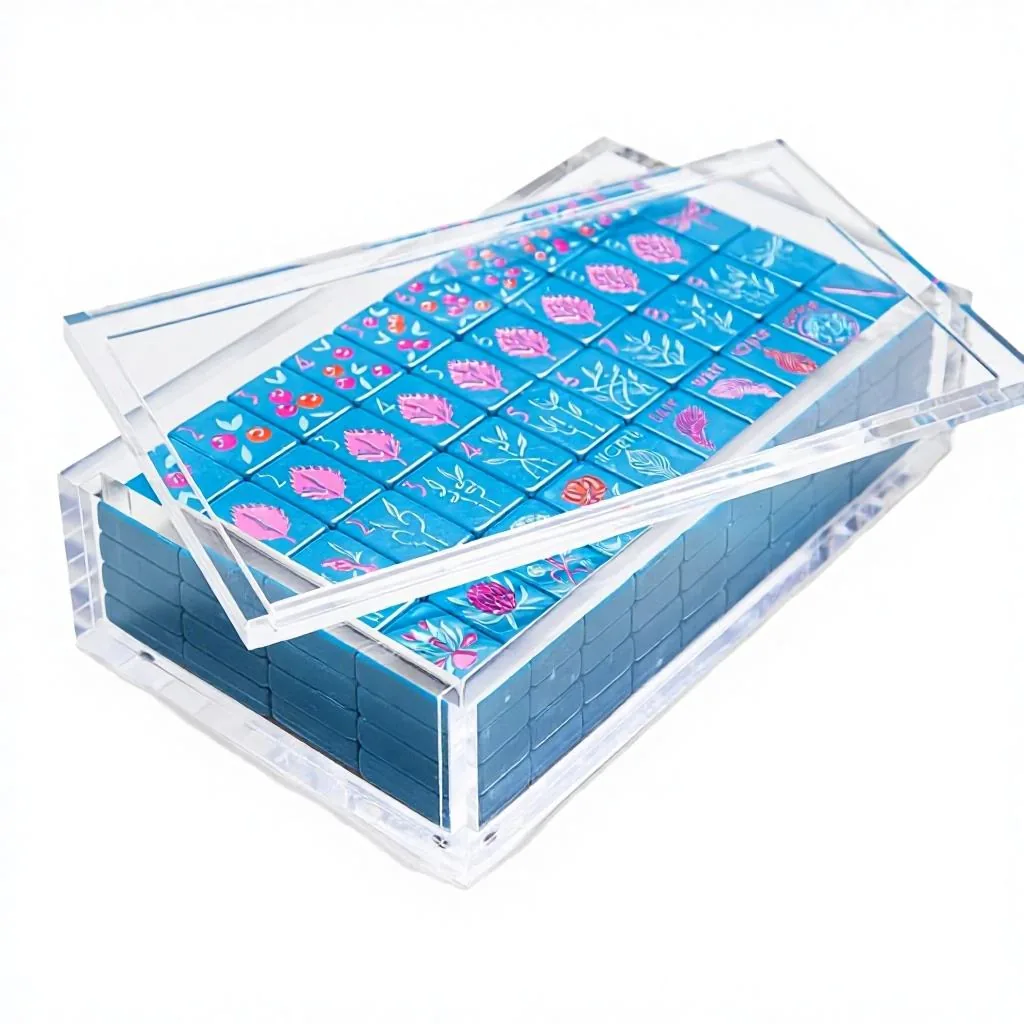
A storage case is what customers keep long after the retail box is gone, so it is a strong place for your brand. The main options are hard attaché-style cases, acrylic boxes, zip cases and soft bags. Choose based on how the set will be used and carried, design the interior so every tile, rack and small part has a place, and check that the case survives shipping. The case is different from the retail box: one is part of the product, the other is packaging.
Key takeaways
- The case is part of the product. It is used every game.
- Interior layout matters most. Trays and pockets keep sets complete.
- Weight adds up. A full set plus racks is heavy; choose handles and hardware accordingly.
- Branding lasts. A logo on the case is seen every time the set is used.
- Plan shipping protection. A case may still need a retail box or carton.
Case types compared
| Case type | Best for | Watch for |
|---|---|---|
| Hard attaché case (covered board, leatherette) | Classic sets, gifting, home storage | Weight, hinge and latch quality |
| Acrylic box | Display at home, modern style | Scratches, weight, protection in transit |
| Zip case with window | Travel and compact sets | Interior support for tiles |
| Soft bag or tote | Light carrying, casual use | Tiles need pouches or trays inside |
Interior layout
A good interior:
- Holds tiles in trays or rows so a missing tile is easy to spot
- Has slots for racks and pushers
- Has a small compartment for dice, wind indicator and card holder
- Keeps parts from moving when the case is carried
Lay out the full set, racks and accessories before finalizing the interior. Our guide to preventing missing tiles explains why fixed positions help.
Size and weight
Confirm the case dimensions with your actual tile size and rack length. See the tile size guide. Ask for the packed weight of the full set in the case; it affects handle strength, customer comfort and shipping cost.
Branding options
- Embossed or debossed logo on the lid
- Printed or foil logo
- Custom lining color
- Matching zipper pulls, tags or hardware finishes
Keep the case consistent with the tiles, racks and mat; see color matching.
Case vs retail box
| Storage case | Retail box | |
|---|---|---|
| Role | Part of the product | Packaging for sale and shipping |
| Kept by customer | Yes | Often discarded |
| Main job | Organize, carry, protect at home | Protect in transit, sell on shelf |
Some brands sell the case as the retail packaging; others put the case inside a printed box. Decide this early because it changes cost, carton size and how the set looks on a shelf. See private label packaging.
Checklist
- Case type chosen for how the set will be used
- Interior holds tiles, racks and small parts in fixed places
- Packed weight confirmed
- Hardware and handles suitable for the weight
- Branding method chosen
- Shipping protection planned
- Case included in the sample
Common mistakes
- Designing the case before tile and rack sizes are final
- No compartment for small parts
- Choosing a beautiful case that is too heavy to carry comfortably
- Shipping a case without outer protection
- Approving the case without packing a full set inside
FAQ
Which Mahjong case is best for travel?
A zip case or compact hard case with a secure interior. For more on travel sets, see our travel set guide.
Can a case carry my logo?
Yes. Embossing, debossing, printing and foil are common options.
Do I still need a retail box if I have a case?
Often yes, for shipping protection and shelf presentation, unless the case is designed to ship and sell on its own.
Should racks fit inside the case?
Usually. Customers expect one case to hold the full set.
Next step
Send Lucky Mahjong your tile size, rack style and how customers will use the set. We will suggest case options and an interior layout for your sample.